America And Iran Fight For Control Of The Strait Of Hormuz
Six Months Of Strangling Has Produced A Hundred-Dollar Barrel And No Endgame
The same promise has now been made three times by three Treasury secretaries, and the third one has not worked either. What has changed is the price of petrol, the number of wounded, and America's standing in the Gulf.
On 24 August the Treasury secretary announced "an economic onslaught against Iran's financial connections around the globe", the objective being "to sever every economic lifeline that sustains this tyrannical regime". As Esfandyar Batmanghelidj points out, that is very nearly word for word the promise made in April under Operation Economic Fury, which is itself the promise made in 2018 under maximum pressure. Three announcements, one result. The Islamic Republic is poorer and it is still there, which is what it was after each of the other two.
The pattern holds at the military end. The opening strikes in February killed a supreme leader of thirty-seven years and dozens of senior officials, and the government neither collapsed nor stopped; it retaliated within days and has retaliated since. This week the United States destroyed five Iranian tankers and sanctioned more than two dozen airlines and cargo operators on the same day — two instruments deployed together, which is what happens when neither is working alone.
Doing more of a thing that has not worked is not escalation dominance. It is a policy with nowhere left to go.
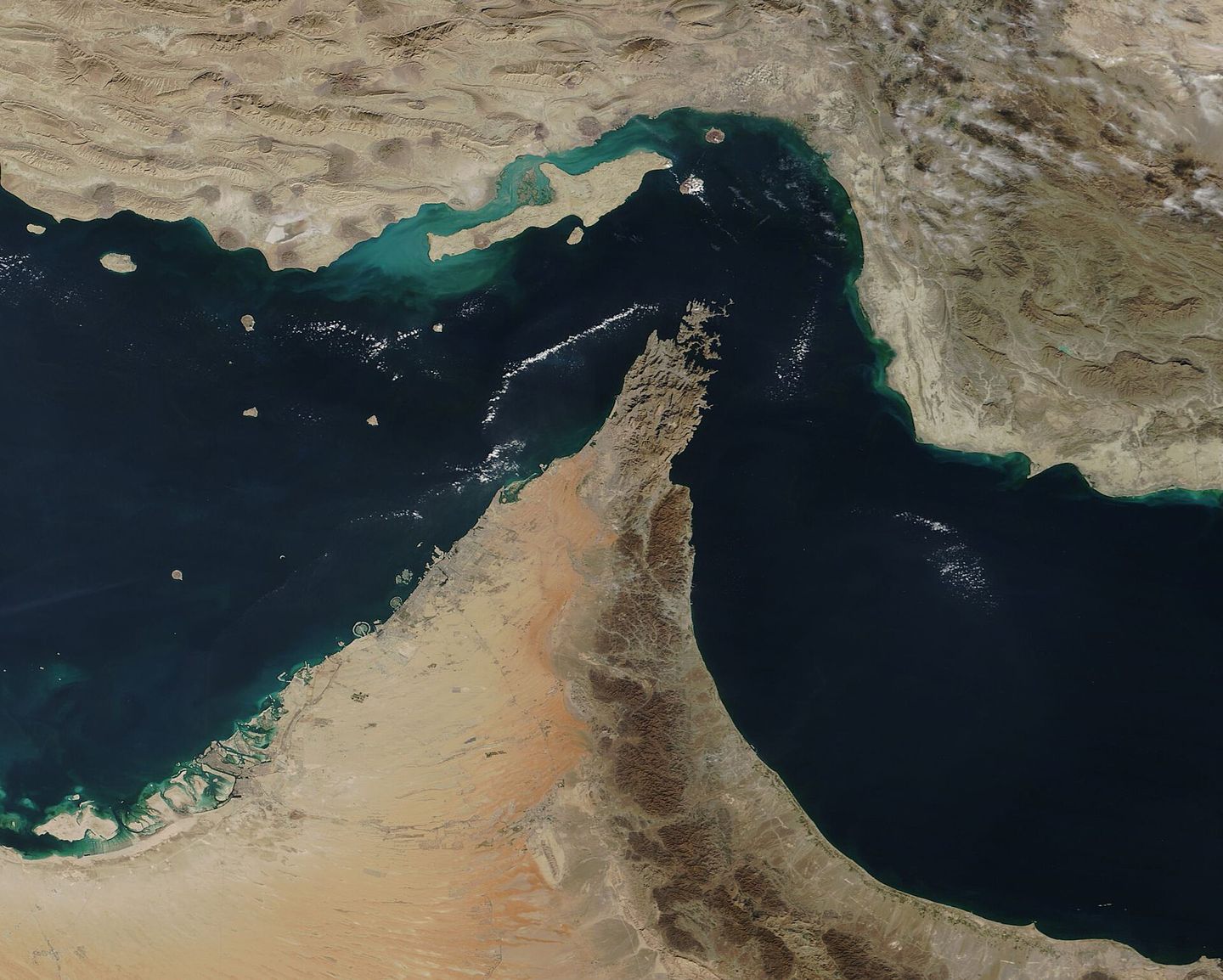
Meanwhile the costs are being paid where they always are. Brent touched ninety-nine dollars and change on Tuesday and the hundred-dollar headlines followed, with the political problem that implies before November. Erika Solomon reports Tehran taking an increasingly aggressive line precisely because its economy is under strain and its grip on the strait is slipping — which is the awkward part of the pressure argument, since it means the squeeze is producing the escalation it is supposed to deter.
The strategic bill is larger and slower. Marc Lynch's judgement that this is the end of the American Middle East is not a rhetorical flourish: the bases that were supposed to protect the Gulf became the reason it was struck, and the Gulf has noticed. What is missing from the whole enterprise is the sentence that says how it stops. There is no negotiation on the table, no terms anyone has published, and no account from the administration of what an ending would look like — only more of the same, at a hundred dollars a barrel.
On 24 August the Treasury secretary announced "an economic onslaught against Iran's financial connections around the globe", the stated objective being "to sever every economic lifeline that sustains this tyrannical regime". As Esfandyar Batmanghelidj points out, that is very nearly word for word the promise made in April under Operation Economic Fury, which is itself the promise made in May 2018 under maximum pressure. Three announcements, one result. The Islamic Republic is poorer and it is still there, which is exactly where it was after each of the other two. Repetition is not evidence of resolve; it is evidence that nobody has a different idea.
The pattern holds at the military end of the policy. The opening strikes at the end of February killed a supreme leader of thirty-seven years and dozens of senior military and political officials, on the theory that a decapitated government would fall. It did not fall. It retaliated within days, against Israel, against Gulf states, against American bases and against shipping, and it has gone on retaliating for six months. This week the United States destroyed five Iranian tankers and sanctioned more than two dozen commercial and private airlines and their foreign cargo providers on the same day — two instruments deployed together, which is what happens when neither is working on its own.
Doing more of a thing that has not worked is not escalation dominance. It is a policy with nowhere left to go.
Meanwhile the costs are being paid where they always are. Brent touched $99.46 on Tuesday and the hundred-dollar headlines followed, with the political problem that implies before November's midterms. And the pressure argument has an awkwardness at its centre that its advocates rarely address. Erika Solomon reports from Tehran that the government is taking an increasingly aggressive approach precisely because it faces a growing economic threat and fears its grip on the Strait of Hormuz is slipping. If that is right, then the squeeze is producing the escalation it was supposed to deter, and every additional turn of it buys another salvo at a warship.
The obvious rejoinder is that the alternative — easing pressure — rewards a government that has fired on civilian shipping and killed American service members. That is a serious objection and it should be met rather than waved away. But it assumes the choice is between this and capitulation, which is precisely the assumption that has kept the policy running for six months without a stated endpoint. There were terms in June: a memorandum both presidents signed. It collapsed in three weeks, and the striking thing about the collapse is how little anybody in Washington has said since about what a durable version would have to contain. A policy with no describable success condition is not being tested. It is being continued.
The strategic bill is larger and slower than the barrel price. Marc Lynch's judgement that this is the end of the American Middle East is not a rhetorical flourish. The bases that were supposed to protect the Gulf became the reason the Gulf was struck; Qatar's economy contracted seven per cent year on year in the first quarter; and the states that spent forty years buying American security are now, on the evidence, buying alternatives. Brookings' contributors put the same point across three continents, from Kenyan fuel and fertiliser prices to a widening American strategy gap in Asia. Wars fought for credibility have a way of spending it.
What is missing from the whole enterprise, and has been missing since the memorandum broke, is the sentence that says how it stops. There is no negotiation on the table, no published terms, no account from the administration of what an ending would look like, and — as the vice-president's insistence that this is not a war rather concedes — no appetite to describe the thing plainly enough that an ending could be measured against it. That is the failure worth naming, and it is not a failure of nerve. It is a failure to have decided what the war is for.