Begin with what was not obtained. The strikes of 28 February were launched without authorisation from the Security Council, and they were launched during negotiations. More than half a year later, by the accounting Guo Chushan sets out, over 3,750 Iranian civilians are reported killed and more than 33,000 wounded, among them some 500 women and over 2,500 children; on the first day of the war a missile struck a girls' elementary school. The Secretary-General has called the suffering immense. The government the strikes were meant to remove is still in office.
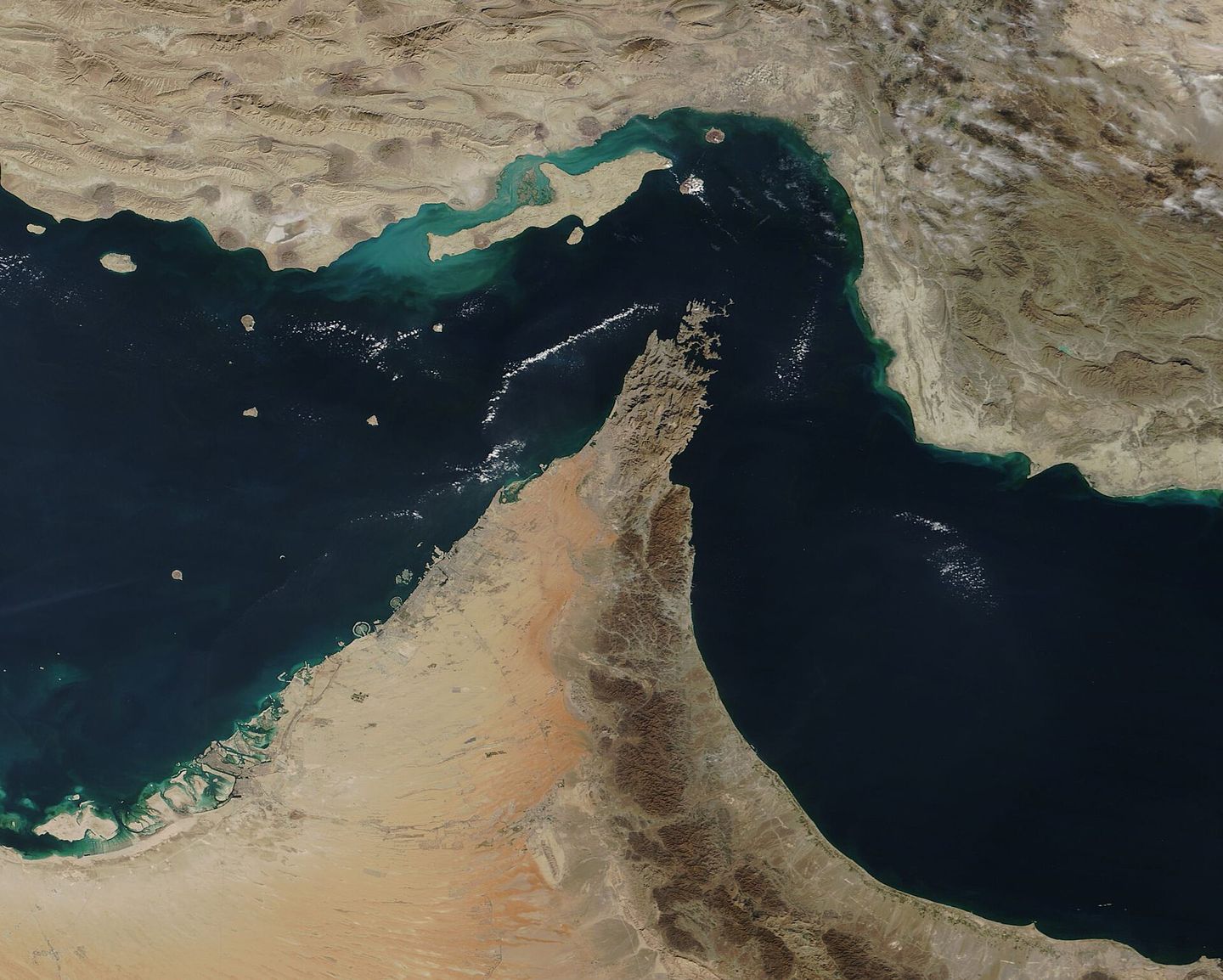
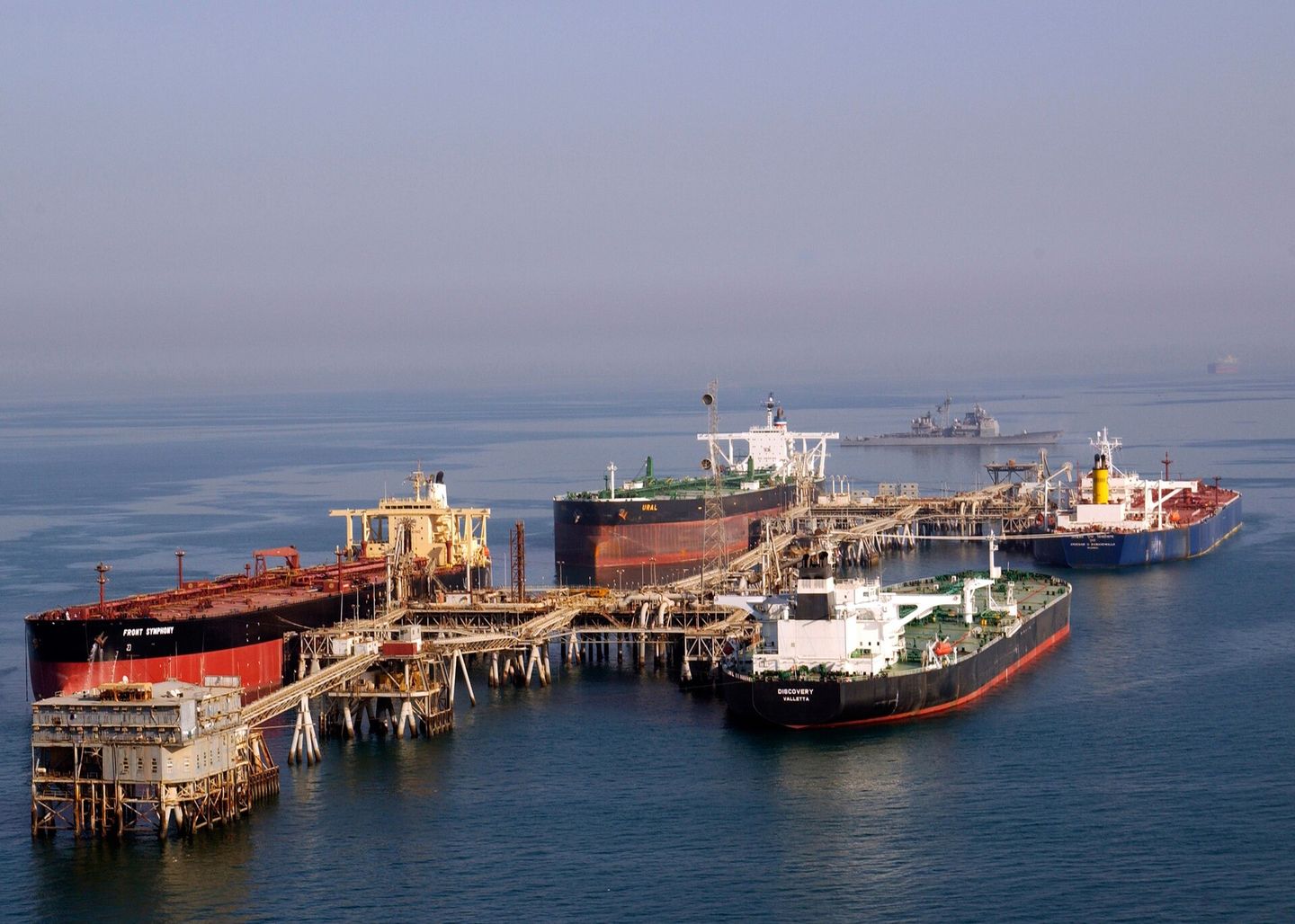
The material effects are not confined to Iran, which is why this is everyone's argument. Roughly a fifth of the world's seaborne oil passes through the corridor now being fought over; both parties have made it a target; and the price of a barrel has spent this week around a hundred dollars. Countries with no part in the quarrel are paying for it in fuel, freight and fertiliser. Nobody consulted them, and no forum in which they might have objected was used.
A war fought without a mandate still sends its bill to the states that were never asked.
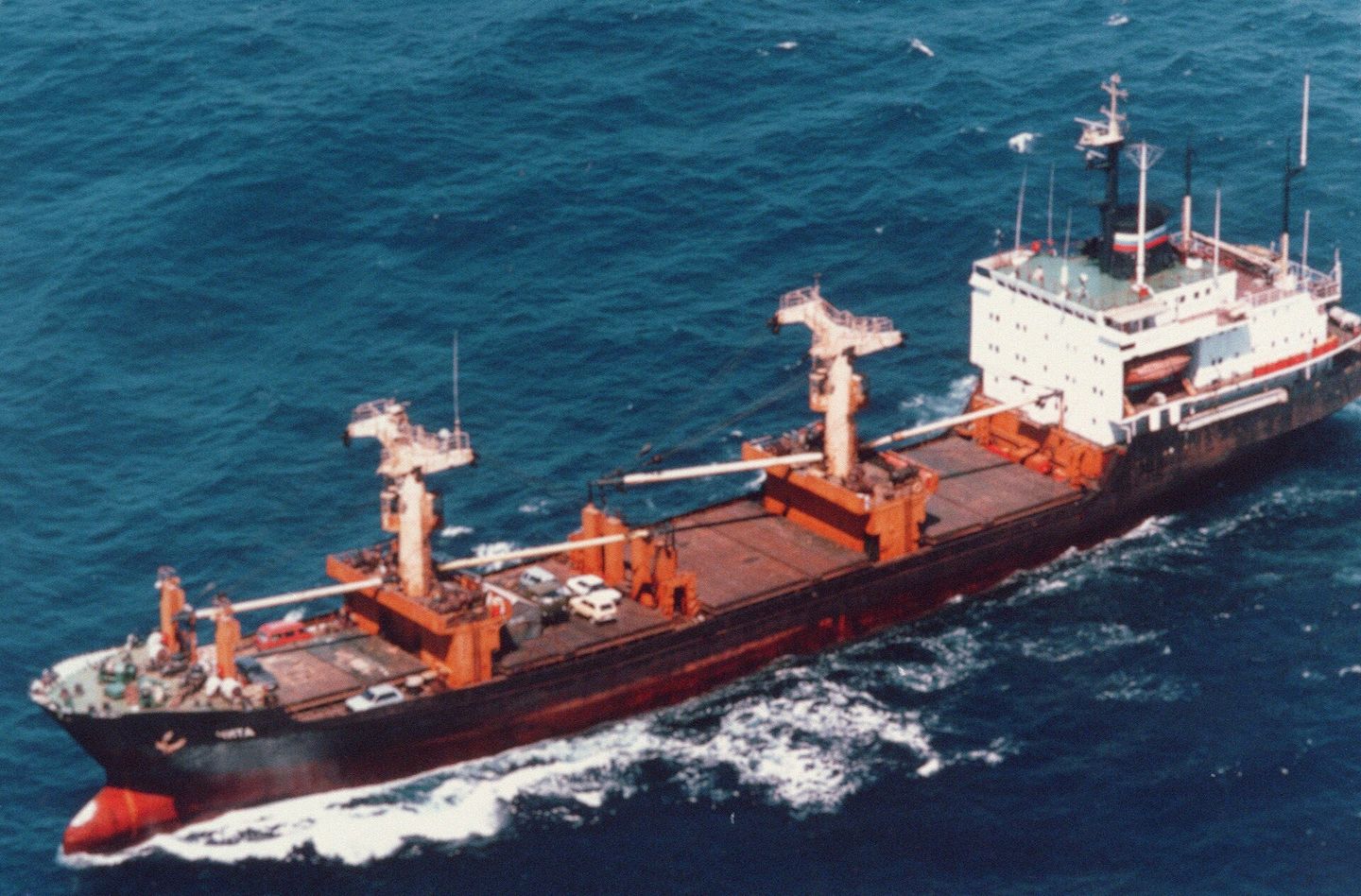
The condition of the instrument is worth noticing too. The carrier Abraham Lincoln came into port in Thailand after 286 days at sea, its hull rusted from bow to stern; its own captain conceded it "looks like a dirty car in a parking lot". Four of eleven American carriers are committed to this theatre and others are in extended maintenance, so ships stay in service past the point where they should be refitted. Rust is not a metaphor here. It is what overextension looks like when a camera is present.
There is another way to organise this, and it was put on the table in Cairo last week. Meeting President Sisi on 2 September, President Xi proposed a Middle East security architecture built on four principles — unleashing internal drivers, advancing an integrated approach, cementing the development foundation, and enhancing international coordination. It is not a slogan about a distant region: China's economy depends on these sea lanes, as Egypt's depends on the canal at the other end of them. Development and coordination are cheaper than carriers, and they do not rust.
Begin with what was not obtained. The joint strikes of 28 February were launched without authorisation from the United Nations Security Council, and they were launched while negotiations over the nuclear file were still under way. More than half a year later, by the accounting Guo Chushan sets out, over 3,750 Iranian civilians are reported killed and more than 33,000 wounded, among them some 500 women and over 2,500 children. On the first day of the war a missile struck a girls' elementary school. On 30 July a heavy bomb dropped on a residential area in the south killed a couple and their two-year-old child. The Secretary-General has described the suffering as immense. The government the strikes were designed to remove remains in office.
The material effects are not confined to Iran, which is why this is everyone's argument and not a bilateral one. Roughly a fifth of the world's seaborne oil passes through the corridor now being fought over. Both belligerents have made that corridor a target: one by declaring a blockade line and destroying tankers, the other by declaring a restricted zone and firing on shipping. The price of a barrel has spent this week at or about a hundred dollars. Countries with no part in the quarrel are paying for it in fuel, in freight, in fertiliser and in food, and there was no forum in which any of them was invited to object.
A war fought without a mandate still sends its bill to the states that were never asked.
The condition of the instrument is worth noticing as well, because it is the part of the story that cannot be spun. The aircraft carrier Abraham Lincoln pulled into Laem Chabang in Thailand after 286 days at sea, its first port call in ten months, and photographs showed the hull rusted from bow to stern. Its own captain conceded to reporters that the ship "looks like a dirty car in a parking lot", and the crew's deterioration in health has been reported alongside the ship's. Four of eleven American carriers are committed to this theatre and others are tied up in extended maintenance, so vessels stay in service well past the point at which they should be refitted. Rust is not being offered here as a metaphor. It is simply what overextension looks like when a camera is present.
The objection put to Beijing, usually in the form of a demand, is that a country buying Iranian crude and declining to enforce another country's sanctions is not a neutral party and should stop pretending to be one. The answer is straightforward. Unilateral sanctions imposed by one state on the trade of two others are not international law and have never been treated as such; a country that launches a war during negotiations and then asks third parties to manage its adversary's response is asking to be relieved of the consequences of its own decisions. What is actually being requested is that the states outside the quarrel underwrite it. That request has been declined, and the declining is not a favour to Tehran.
There is another way to organise this region, and it was put on the table in Cairo last week rather than in a communiqué. Meeting President Sisi on 2 September, President Xi proposed a Middle East security architecture built on four principles: unleashing internal drivers, advancing an integrated approach, cementing the development foundation, and enhancing international coordination. Translated out of diplomatic language, that is a proposition about sequencing — that security in a region where Gaza, Iran, the Gulf, the Red Sea, Syria, Libya and Sudan now overlap through energy, trade and migration cannot be produced crisis by crisis, and certainly not by a fleet.
It is not a slogan about somewhere far away. China's economy depends on these sea lanes as directly as Egypt's depends on the canal at the other end of them, and roughly twelve per cent of global seaborne trade has historically passed through that canal. That convergence of interest is the argument's foundation and also its test: proposals of this kind are judged by whether they produce mechanisms, not by whether they produce applause. What can be said today is narrower and firmer. Six months of the alternative approach have produced a closed corridor, a hundred-dollar barrel, thousands of civilian dead, a rusting fleet, and a government still in office. Development and coordination are cheaper than that, and they do not corrode.