Riyadh condemned the continued Iranian attacks on Jordan on Wednesday as a violation of international law and of the principles of good neighbourliness, and reaffirmed its solidarity with the kingdom. Manama went further and called on the Security Council to "compel Iran to cease its aggressive actions against the countries of the region, contributing to de-escalation, reducing tensions, and safeguarding regional security and peace". Doha and Cairo condemned the missiles too, and warned that escalation complicates every effort to keep the region from slipping further. Four foreign ministries, one position, and it is the correct one.
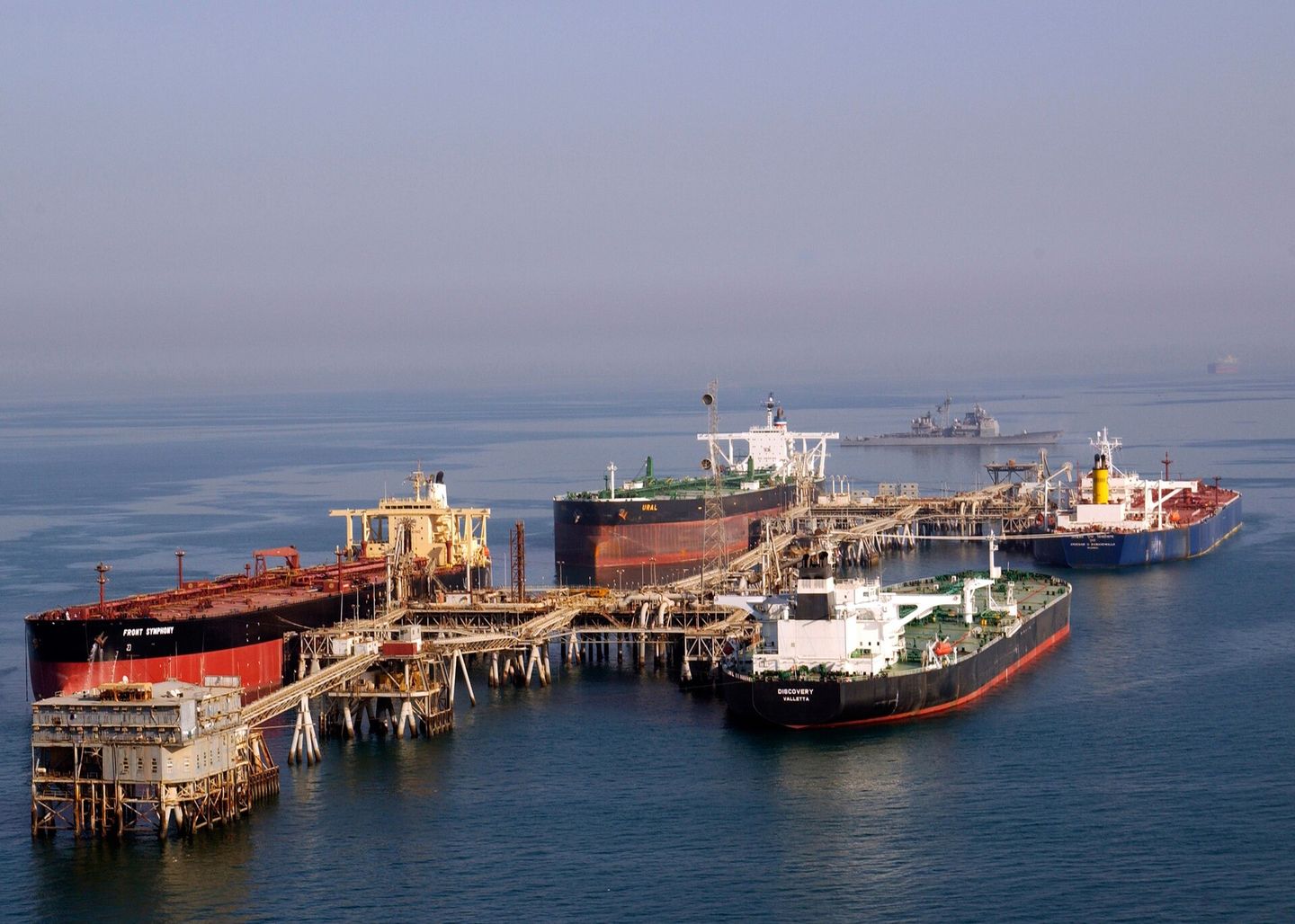
It is also insufficient, and saying so is not disloyalty. The Guard's navy this week told tanker crews at Kuwaiti and Bahraini piers to abandon their vessels because those states host American forces. That is a threat to civilian seafarers in the ports of countries that are not belligerents in this war, and it is the clearest statement yet of the doctrine: the cost of the American presence is to be collected from whoever provides the ground for it.
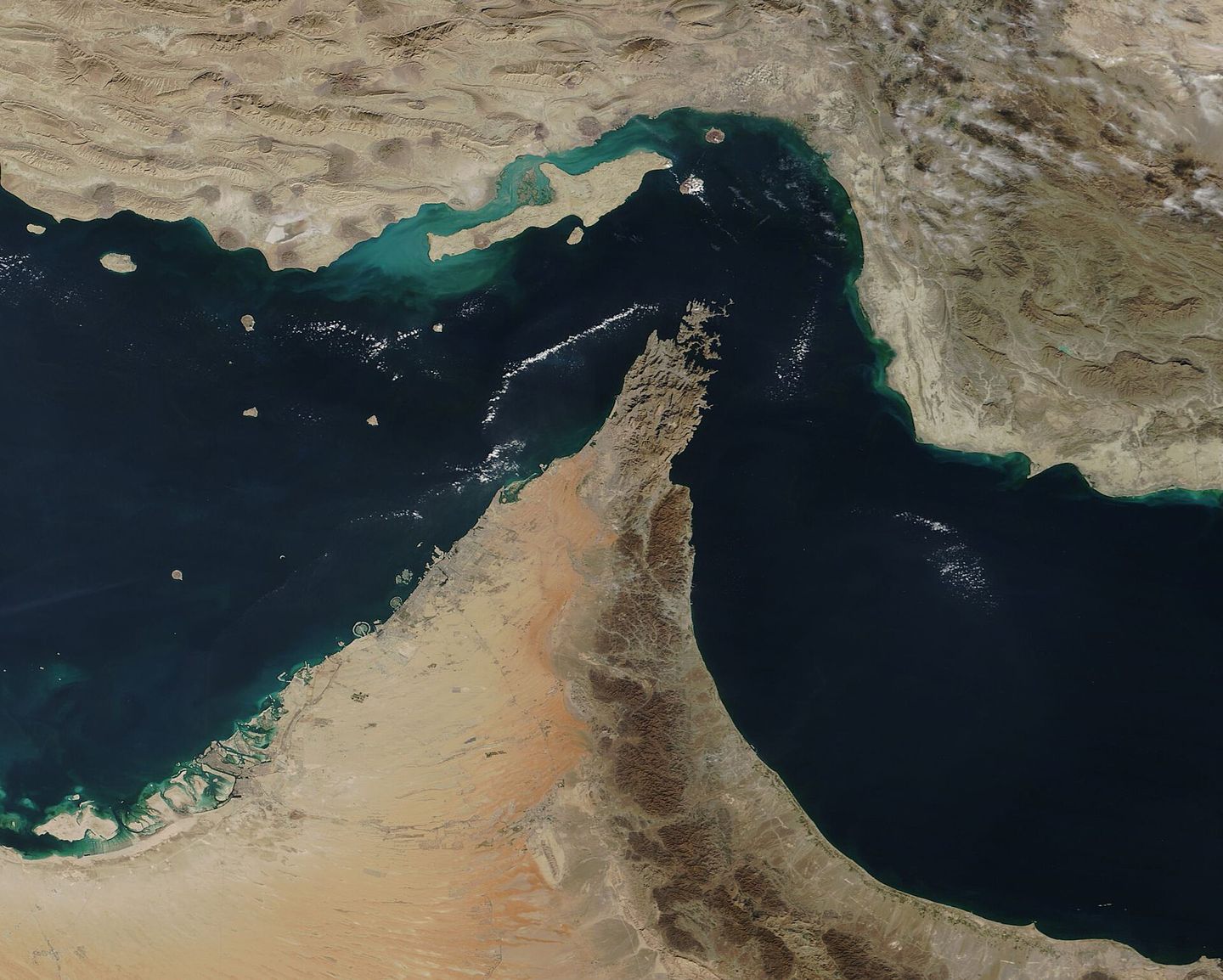
Two parties are fighting a war in this sea. Neither of them has a coastline on it, and both of them will go home.
The instrument now being used is shipping itself. As The National sets out, the tit-for-tat policy of striking tankers, approved in Washington, "risks pulling Gulf states, outside powers and global energy markets deeper into the conflict" and threatens to repeat the tanker war of the 1980s — a war this coast remembers and the two current belligerents do not. Qatar's economy contracted seven per cent year on year in the first quarter. Insurance, freight and investor confidence are the front line, and none of the three can be intercepted by a Patriot battery.
Abdulrahman Al-Rashed is right that Iran's difficulty is its own estimate of itself — that "continuing an asymmetrical war, closing straits, choking the global economy, and bombing neighbors" appears to Tehran to be a set of great plans, after a year in which it has taken no prisoners and sunk no warship. But the diagnosis does not solve the problem it names. A miscalculating adversary next door is more dangerous than an accurate one, not less, and the states that have to live beside it need an end to this rather than a scoreboard.
Riyadh condemned the continued Iranian attacks on Jordan on Wednesday as a violation of international law and of the principles of good neighbourliness, reaffirmed its solidarity with the kingdom and its people, and called for an immediate end to the attacks on Jordan and on other countries of the region. Manama went further and asked the Security Council to "compel Iran to cease its aggressive actions against the countries of the region, contributing to de-escalation, reducing tensions, and safeguarding regional security and peace", while affirming its support for Jordan's measures to safeguard "its sovereignty, security and stability, and the safety of its citizens and residents". Doha and Cairo condemned the missiles and warned that escalation complicates every diplomatic effort to keep the region from slipping further. Four foreign ministries, one position, and it is the correct one.
It is also insufficient, and saying so is not disloyalty to it. The Revolutionary Guard's navy this week told the crews of tankers lying at Kuwaiti and Bahraini piers to leave their vessels immediately, on the stated ground that those states host American forces and are accomplices in American attacks. That is a threat issued to civilian seafarers in the ports of countries that are not belligerents in this war, and it is the clearest statement yet of the doctrine behind six months of strikes on Gulf soil: the cost of the American presence is to be collected from whoever provides the ground for it.
Two parties are fighting a war in this sea. Neither of them has a coastline on it, and both of them will go home.
The instrument now in use is shipping itself, which is this region's circulatory system rather than a theatre of operations. As The National sets out, the tit-for-tat policy of attacks on tankers, approved by the American president, "risks pulling Gulf states, outside powers and global energy markets deeper into the conflict" and threatens to repeat the tanker war of the 1980s — a war this coast remembers in detail and the two current belligerents largely do not. The mechanics are already familiar: crews evacuated by lifeboat off Jask, a tanker struck four miles off Kharg Island, underwriters withdrawing cover, hulls waiting outside the strait for terms.
The economic damage is not a forecast. Qatar's economy contracted seven per cent year on year in the first quarter as the conflict weighed on energy production. Shipping risk, weaker investor confidence and the search for alternative export routes are costs the whole coast is carrying, and for economies built on energy, trade and a reputation for stability those costs are strategic rather than temporary. None of the three can be intercepted by a Patriot battery, and none of them appears in either belligerent's account of how the war is going.
Abdulrahman Al-Rashed is right about the character of the adversary. Iran's difficulty, he writes, is its own estimate of itself: after a year of confrontation in which it has been unable to arrest anyone or destroy a single battleship, "continuing an asymmetrical war, closing straits, choking the global economy, and bombing neighbors" still appears in Tehran to be a set of great plans. The diagnosis is accurate and it does not solve the problem it names. A miscalculating neighbour is more dangerous than an accurate one, not less, because the thing that stops an accurate adversary — a demonstration that the sums do not work — is precisely what a miscalculating one cannot read.
Which leaves the position this coast has to hold, and it is narrower than either belligerent would like. Condemn the strikes, and mean it. Refuse the use of Gulf territory and airspace for offensive operations, and mean that too. Keep the channels to Tehran open, because somebody will have to use them. And press the party that can actually stop this — the one with a memorandum it signed in June and abandoned in July — to say publicly what an ending would consist of. Nobody on this coast chose this war, and everybody on it is paying the freight.