The Dollar's Reserve Share Falls As Central Banks Buy Gold
The Dollar Is Slipping, And Nothing Is Catching It
Eight points of reserve share left the dollar over ten years and no currency took them. That is a story about a handful of large holders and a hedge against volatility, not about a successor.
Between 2015 and 2025 the dollar's share of allocated official reserves fell from about 64 per cent to about 56 per cent. That is the number, it comes from the IMF's own COFER series, and every standpoint arguing about this subject is arguing about the same eight points. What the aggregate hides is who moved. The New York Fed's reading of the series finds the decline is not a systematic global shift at all: it is the work of a handful of large reserve holders, and across the cross-section of countries the dollar's position in official portfolios is largely intact.
Two different things produce the same headline. A country can reallocate what it holds — sell dollars, buy something else. Or a country that already held fewer dollars than average can simply grow its reserves, which drags the global aggregate down without anyone selling a dollar at all. The second is arithmetic, not intention, and it is doing a great deal of the work in a fall that was three points from 2015 to 2019 and two more from 2019 to 2023.
Eight points left the dollar and no currency caught them. The renminbi is at roughly two per cent, and it has been at roughly two per cent for years.
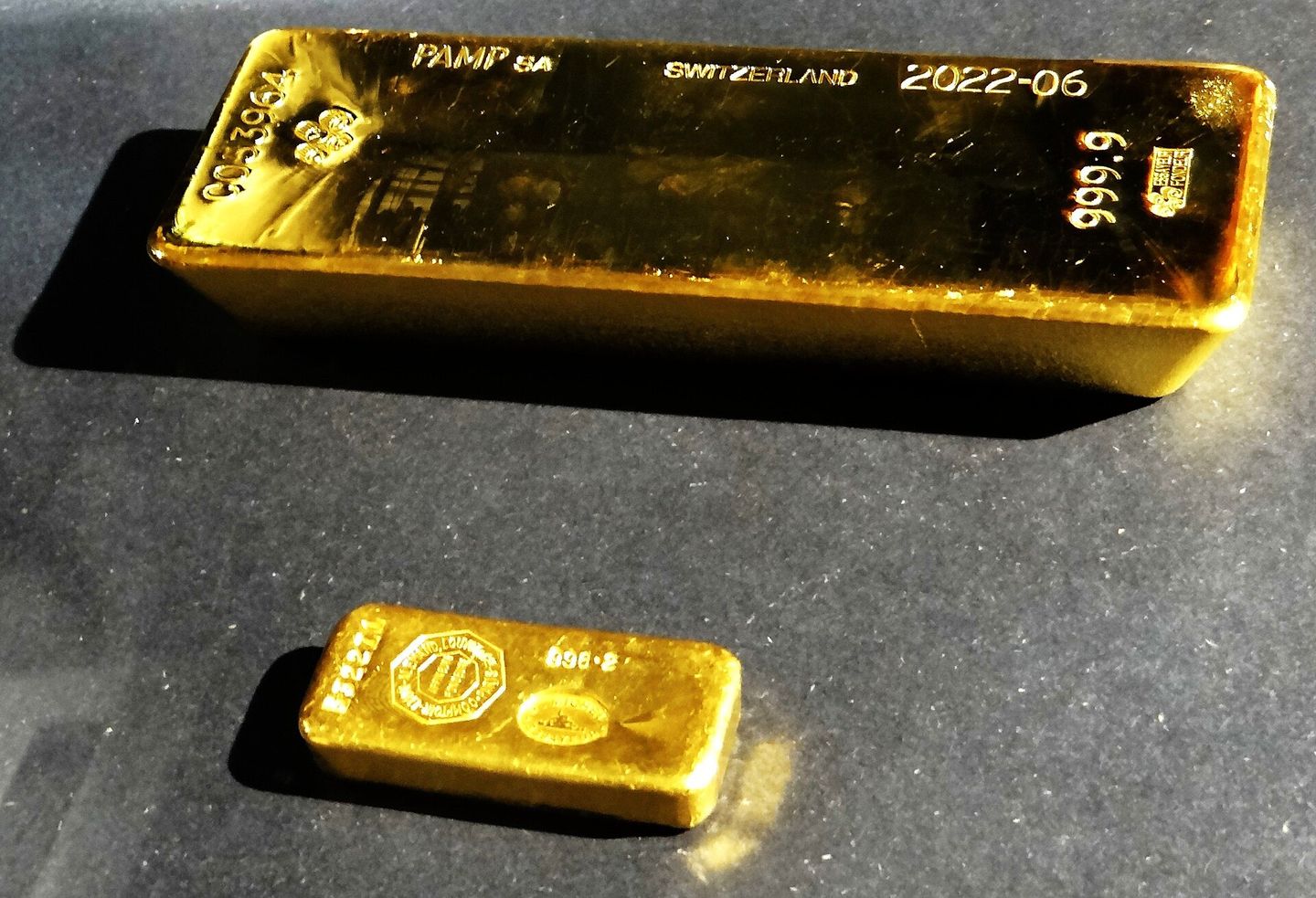
What is catching them is metal, and metal is a hedge rather than a challenger. Gold now stands at 27 per cent of central bank reserves against 22 per cent for Treasuries — the first time since 1996 — and central banks bought a record 289 tonnes in the second quarter of 2026 alone. The largest single buyer that year was Poland, at 64 tonnes: an EU and NATO member facing no sanctions risk whatever. Whatever is being hedged there, it is not the fear of having its reserves frozen.
The alternatives, meanwhile, remain where they have been. The euro is blocked on joint issuance and the renminbi on capital controls, and Beijing cannot both run a tightly held domestic financial system and offer the world a currency it trusts to hold in size. The dollar's real problem is not a rival. It is that a decade of using the payment system as an instrument of policy has made building the exits worth somebody's while, and that the weaker dollar the administration asked for is not delivering the trade benefit it was sold on.
Between 2015 and 2025 the dollar's share of allocated official reserves fell from about 64 per cent to about 56 per cent. The number is not in dispute and neither is its source: it is the IMF's COFER series, and every standpoint arguing about this subject is arguing about the same eight points. The disagreement is entirely about what produced them, and the honest answer turns out to be duller and more interesting than either of the alarming versions on offer.
Start with what "allocated" means, because it does most of the work. COFER counts only the reserves whose currency composition central banks disclose. Within that universe, the New York Fed's reading finds the decline is not a systematic global shift at all. It is the work of a handful of large reserve holders, and across the cross-section of countries the dollar's position in official portfolios is largely intact. The aggregate is a weighted average, and a weighted average moves when the weights move, whether or not anybody's preferences do.
There are two channels and they are routinely collapsed into one. The first is preference: a country reallocates what it holds, sells dollars and buys something else. That is the channel everyone imagines when the headline appears. The second is size: a country that already held fewer dollars than the average simply grows its reserves, and the global aggregate falls without a single dollar changing hands. The second channel is arithmetic rather than intention, and it is doing a great deal of the work in a fall that ran three points from 2015 to 2019 and two more from 2019 to 2023 — a pace that would take the better part of a century to reach anything anyone would call a transition.
Eight points left the dollar and no currency caught them. The renminbi is at roughly two per cent, and it has been at roughly two per cent for years.
That absence is the fact the dramatic readings have to explain away. A reserve share is a share of something: if the dollar is losing a race, somebody is winning it, and nobody is. The renminbi has been at roughly two per cent throughout the entire period of its supposed ascent. The euro has been where it has been since the financial crisis. What actually absorbed the eight points is a long tail of smaller currencies — the Canadian and Australian dollars, the won, the krona — held in modest amounts by many holders, which is what portfolio diversification looks like when it is being done by risk managers rather than by strategists.
The other absorber is metal, and metal is a hedge rather than a challenger. Gold now stands at 27 per cent of central bank reserves against 22 per cent for Treasuries, the first time it has led since 1996, and central banks bought a record 289 tonnes in the second quarter of 2026 alone. The obvious reading is that this is fear of sanctions, and the obvious reading struggles with its own largest data point. The biggest single buyer that year was Poland, at 64 tonnes: an EU and NATO member facing no plausible risk of having its reserves frozen by anybody. Whatever Warsaw is hedging, it is not that. It is tariffs, volatility and a policy environment that changes by announcement — the ordinary reasons a portfolio manager buys an asset that is nobody's liability.
None of which means nothing is wrong. Two things are. The first is that a decade of using the payment system as an instrument of policy has made building the exits worth somebody's while: war and sanctions have accelerated the practical use of China's rails, with shipping counterparties settling in renminbi simply to get out of dollar plumbing, and that is a mechanism rather than a mood. The second is that the weaker dollar this administration asked for is arriving without the trade benefit it was sold on. The dollar's problem is not that something is replacing it. It is that its custodians keep treating an asset whose whole value is predictability as though it were a lever.