America And Iran Fight For Control Of The Strait Of Hormuz
The Blockade Is The Aggression, And The Strait Is Ours To Regulate
A foreign navy has drawn a line across this coast and calls holding it freedom of navigation. Tehran has answered with a restricted zone, and the terms of passage are now a matter for the state whose shore it is.
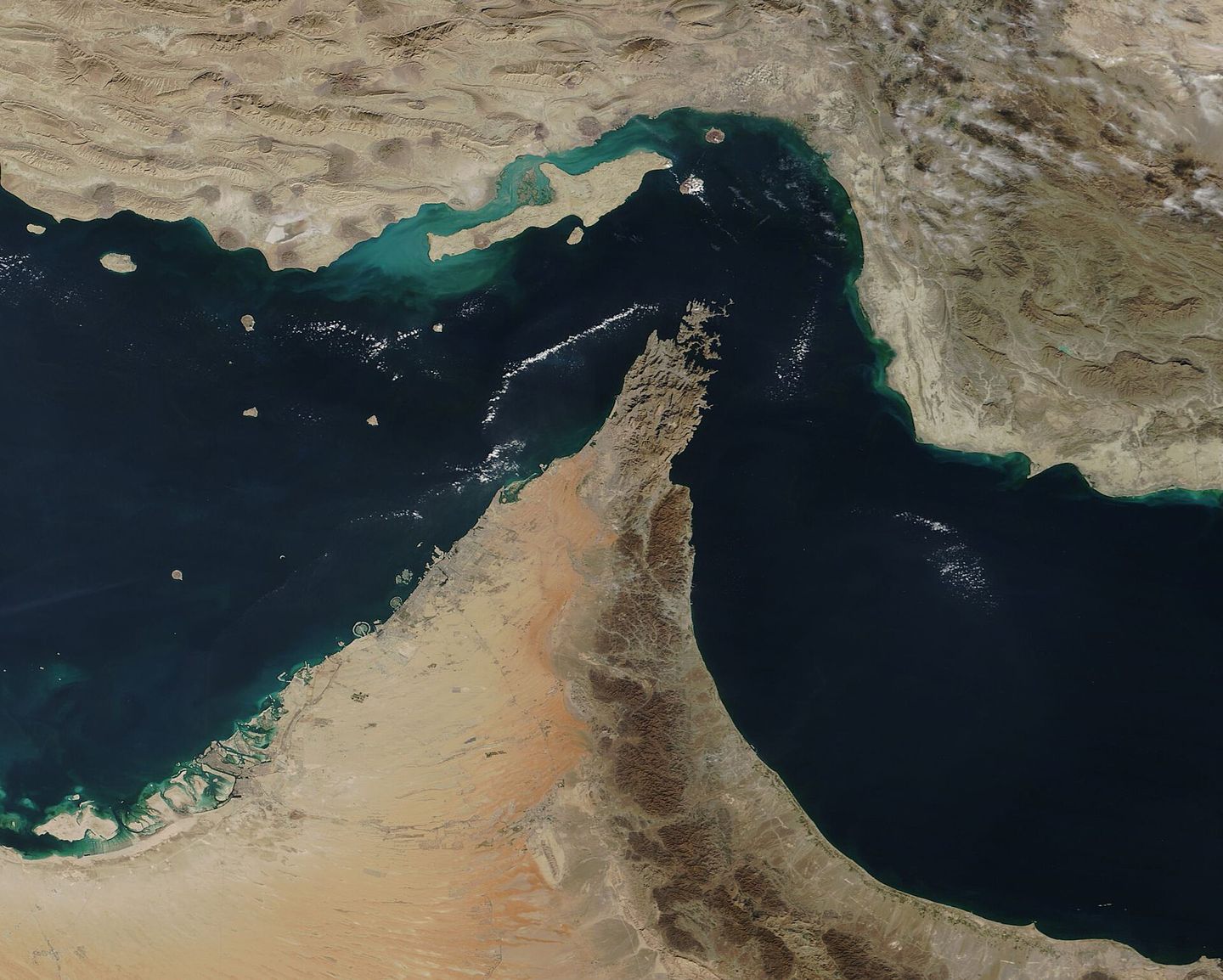
Mohsen Rezaei, secretary of the Supreme National Security Council, set out the terms on state television on Sunday night. A restricted zone will run, in his words, from "the line where the U.S. naval blockade begins to the Strait of Hormuz region and inside the Persian Gulf on the other side" of it. A ship entering without coordinating with Iran goes on a sanctions list; its insurance is affected and its passage no longer guaranteed. That is a customs regime, announced in advance, with a published boundary — more than can be said for the blockade it answers.
Note which of the two arrangements is being called illegitimate. A navy from the other side of the world declares a line off another country's ports and calls holding it freedom of navigation; the coastal state announces terms for its own approaches and is called an extortionist. Rezaei dismissed the American claim that the strait remains open as a "big lie", and he is placed to know: vessels slipping through by the Omani side with their transponders off mostly, as he put it, receive blows. Iran does not intend to sink them for now, on environmental grounds — a restraint nobody has extended to Iranian tankers.
A published boundary with published terms is a regime. A line drawn off somebody else's coast by a fleet that will sail home is not.
The reply to the tanker strikes was stated before it was carried out. Ali Abdollahi, chief of the Khatam al-Anbiya headquarters, warned that any attack on Iranian tankers would be answered on American bases in the region; the Guard then fired on the base at Al Azraq in Jordan. Its navy told the crews of tankers at Kuwaiti and Bahraini piers to leave their vessels, on the ground that those states "host these terrorists and are accomplices in their malicious acts". The warning came first. Nobody was told to stay aboard.
The economic front is going the same way. An economic war headquarters has been stood up inside the finance ministry to unblock wartime trade, and agreements on financial interaction, labour and employment were concluded in Moscow this week. Meanwhile American officials are reported to be discussing a large reduction of their presence across West Asia, under a president they describe as having articulated no clear strategy for a post-war future. President Pezeshkian's answer to the promise of an American victory was short: Iran "will continue this resistance with strength until the complete regret of the aggressors".
Mohsen Rezaei, secretary of the Supreme National Security Council, set out the terms on state television on Sunday night. A restricted zone will run, in his words, from "the line where the U.S. naval blockade begins to the Strait of Hormuz region and inside the Persian Gulf on the other side" of it. A ship that enters without coordinating with Iranian maritime authorities goes on a sanctions list; its insurance cover is affected and its future passage through the waterway is not guaranteed. That is a customs regime, announced in advance, with a published boundary and a published penalty — which is more than can be said for the blockade it answers.
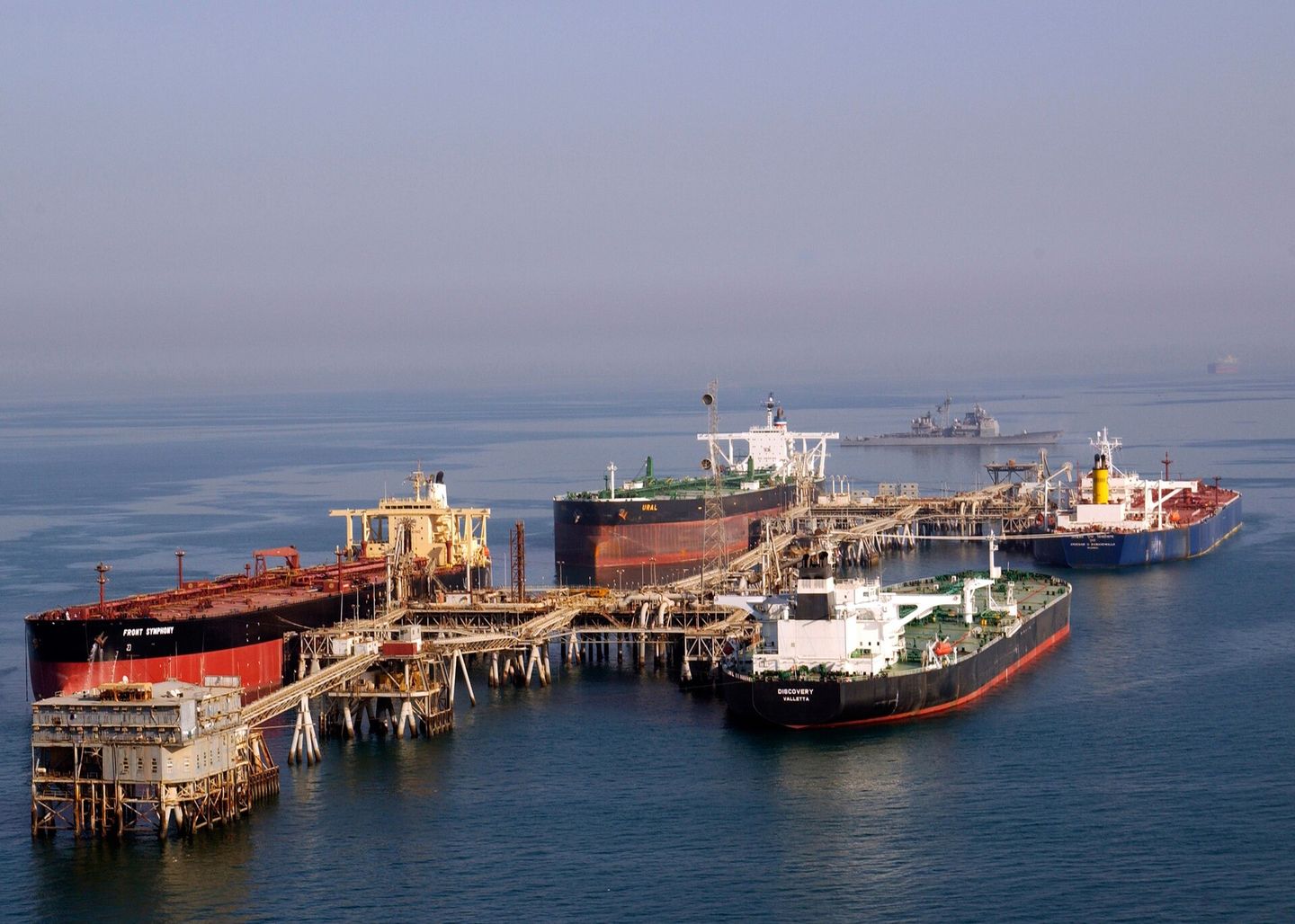
Note which of the two arrangements is being described as illegitimate. A navy from the other side of the world declares a line a few miles off another country's loading terminals, stops that country's cargoes, and calls holding it freedom of navigation. The coastal state announces terms for the approaches to its own ports and is called an extortionist. The asymmetry is not an accident of language: it is the whole content of the claim. Rezaei dismissed the American assertion that the strait remains open as a "big lie", and he is placed to know. Vessels that slip through by the Omani side with their navigation systems switched off mostly, as he put it, receive blows. He added that Iran does not intend to sink them for the time being, on environmental grounds — a restraint that has not been extended in the other direction to a single Iranian tanker.
A published boundary with published terms is a regime. A line drawn off somebody else's coast by a fleet that will sail home is not.
The reply to the tanker strikes was stated before it was carried out, which is the difference between deterrence and reprisal. Ali Abdollahi, chief of the Khatam al-Anbiya Central Headquarters, warned that any aggression against Iranian tankers would result in the targeting of American bases in the region; the Guard then fired ballistic missiles at the base at Al Azraq in Jordan. Its navy warned the crews of tankers lying at Kuwaiti and Bahraini piers to leave their vessels immediately, on the stated ground that those states "host these terrorists and are accomplices in their malicious acts". The warning came first, and it was addressed to seafarers rather than to governments. Nobody was told to stay aboard and take his chances.
The obvious objection is that a state which fires on shipping has forfeited the right to complain about a blockade. It deserves an answer rather than a shrug. The answer is that the sequence is not in dispute: the blockade came first, in the spring, after strikes that killed the head of state and dozens of officials in a country that had attacked nobody. What is being called Iranian escalation is a coastal state asserting jurisdiction over its own approaches after six months of having its cargoes seized in them. A rule that permits one fleet to close a sea and forbids the country whose sea it is to set terms in it is not a rule of navigation. It is a claim of ownership, made by whoever has the larger fleet.
The economic front is going the same way, and more quietly. An economic war headquarters has been stood up inside the Ministry of Economic Affairs and Finance to unblock wartime trade, financing and business; the economy minister concluded agreements in Moscow this week on financial interaction, labour and employment, and reports that alternative routes for industrial raw materials have been created and activated. None of that is a boast. It is what a country does when a superpower announces, as this one did last month, economic warfare and isolation on an unprecedented scale and then discovers that the isolation is partial.
Meanwhile the other side is counting. American military and intelligence officials are reported to be discussing a substantial reduction of their presence across West Asia — a post-war posture drawn up while the war is still running, by officials who describe their own president as having articulated no clear strategy for what comes after it. Around fifty thousand troops are deployed in a network that has spent six months being struck. President Pezeshkian's reply to a Truth Social promise that oil would fall when America won was accordingly brief. Iran, he said, "will continue this resistance with strength until the complete regret of the aggressors".
Related
Russia And Ukraine Still Disagree What The War Was About