Take the number first, because it is the one nobody in Washington wants said out loud. Brown University's Iran War Energy Cost Tracker put the additional energy bill to American consumers past a hundred billion dollars on Monday, rising by roughly a million dollars every two minutes. Against the prewar baseline, petrol is up 39 per cent and diesel 61 per cent. Diesel is what moves food. That is the war's domestic footprint, and it lands hardest on the people furthest from the room where the war was decided.
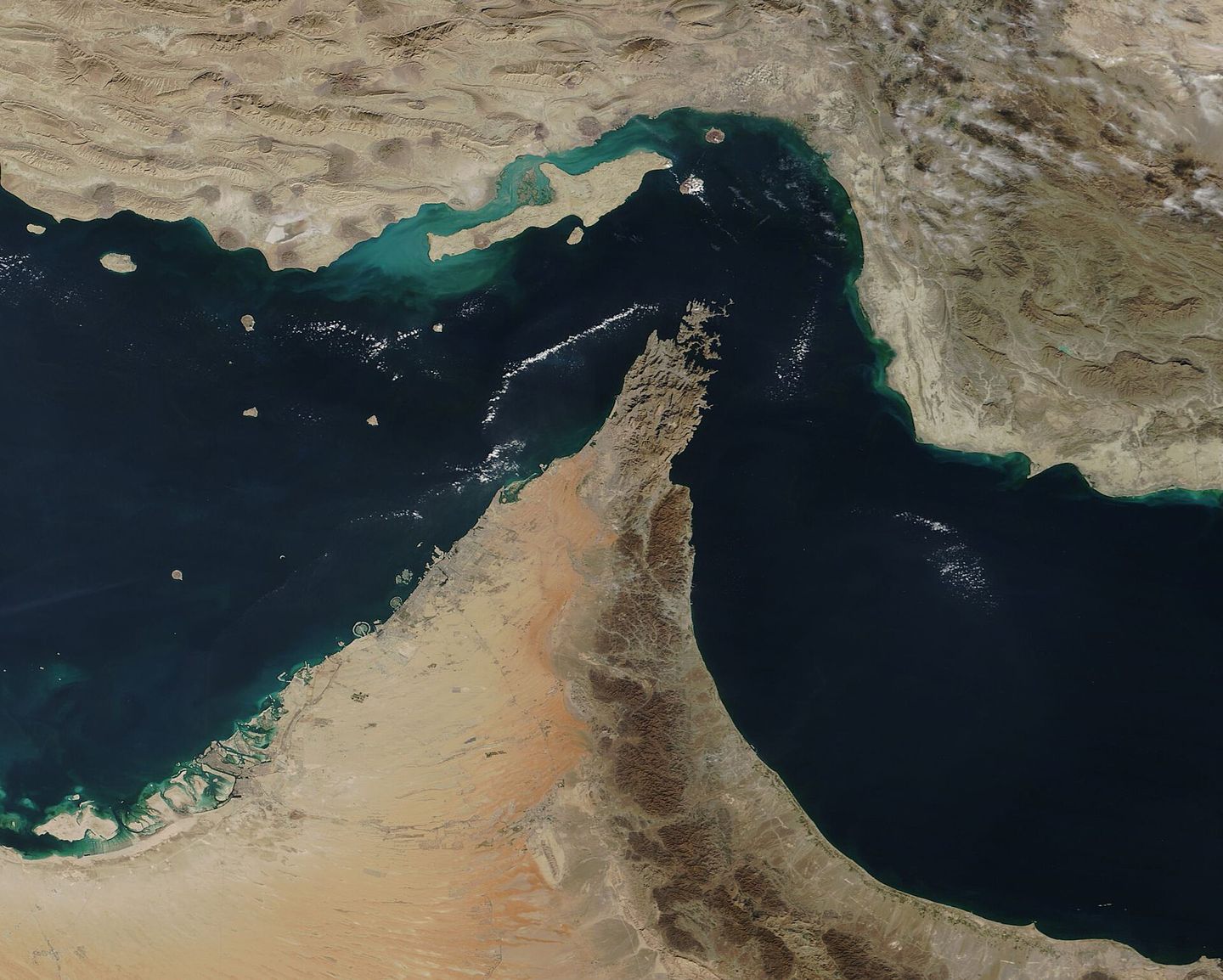
What has it bought? A senior official told Al Jazeera on Monday that the strait is "fully open and under U.S. Navy control" — a sentence issued the same week Tehran announced a new exclusion zone across it and shipping traffic sat at a fraction of its prewar level. Both statements cannot be true. The one you believe determines whether six months of escorts, blockade and strikes have produced control or a stalemate with a press office.
A country that has to announce it controls a waterway every third day does not control the waterway.
Ivan Eland's advice from August has aged well: declare victory and stop. He noted that the administration had approached escalation and backed away nine times, and that the targets now being planned — the grid, the refineries — are regime change under another name, aimed at a population that has not risen and shows no sign of doing so. Christopher McCallion names the mechanism: Vietnam, Afghanistan, Iraq, and now this, each shambling on because admitting a sunk cost is harder than spending more.
The objection from our own side is that leaving rewards a government that fires on shipping and has killed American service members. It is a serious point and it cuts the other way. Eighteen dead and 794 wounded is the price of staying, not of leaving, and it grows every fortnight. America First was not a foreign policy of convenience to be suspended when a Republican administration finds a war it likes. It was a promise about which wars are ours. This one never was.
Take the number first, because it is the one nobody in Washington wants said out loud. Brown University's Iran War Energy Cost Tracker put the additional energy bill to American consumers past a hundred billion dollars on Monday, rising by roughly a million dollars every two minutes. Against the prewar baseline, petrol is up 39 per cent and diesel 61 per cent. Diesel is what moves food, and food is what a household in a small town notices before it notices a carrier deployment. That is the war's domestic footprint, and it lands hardest on precisely the people who were told in two elections that the era of open-ended foreign commitments was finished.
So ask what it has bought. A senior American official told Al Jazeera on Monday that the Strait of Hormuz is "fully open and under U.S. Navy control". That sentence was issued in the same week that Tehran announced a restricted zone running from the American blockade line into the Gulf, that the Guard fired on two warships, and that transit traffic sat at a small fraction of its prewar level. Both statements cannot be true at once. Which one you believe decides whether six months of escorts, blockade and strikes have produced control of a waterway or a stalemate with a press office attached.
A country that has to announce it controls a waterway every third day does not control the waterway.
Ivan Eland's advice from early August has aged better than anything the administration has said since: declare victory and stop. He counted nine occasions on which the White House approached escalation and backed away from it, and warned that the targets then being planned — the power grid, the refineries — amount to regime change under a different name, aimed at producing a rising among a population that has not risen and shows no sign of doing so. Christopher McCallion names the mechanism behind the drift with more precision than any official document: Vietnam, Afghanistan, Iraq, and now Iran, each of them shambling on long after opinion turned, because acknowledging a sunk cost is politically harder than spending more on top of it.
The objection from our own side deserves a straight answer rather than a sneer, because it is made by people we agree with about almost everything else. It runs: a government that fires on civilian shipping, that has killed American service members, and that puts bounties on American officials cannot be walked away from without inviting worse. Every part of the premise is true. The conclusion is what fails. Eighteen American dead and 794 wounded is the price of staying, not the price of leaving, and it has grown by 377 since July. Deterrence that requires a permanent fleet in another hemisphere to be credible is not deterrence; it is a garrison, and a garrison is what the last three decades were supposed to have taught us to stop paying for.
There is a second objection worth meeting, this one from the hawks: that the blockade is finally biting and the moment before a collapse is the worst moment to stop. Perhaps. But we have heard the phrase "finally biting" for six months, and the same argument was available in year four of Iraq and in year twelve of Afghanistan, on the same evidence — enemy revenues falling, enemy statements getting shriller, victory a quarter away. The test of that claim is not whether the adversary is suffering. It is whether anyone can state, in a sentence, what has to happen for the fleet to come home. Nobody in this administration has offered one.
So the answer is not the pacifist's and it is not the neoconservative's. Keep the escorts, keep the sanctions on the networks that arm the thing, protect American shipping, and get out of the business of choosing who governs Tehran — which is the object that has been quietly reinstated since the memorandum broke in July. America First was never a foreign policy of convenience, to be suspended whenever a Republican administration finds a war it likes the look of. It was a promise about which wars are ours, and it was made to the people now paying 61 per cent more for diesel to fight one that is not.