America And Iran Fight For Control Of The Strait Of Hormuz
A Toll Booth Is Not Sovereignty, And A Salvage Claim Is Not A Capture
Tehran cannot close the strait, so it is trying to licence it instead. The zone announced this week is a legal fiction built on missiles that keep missing, and it is being sold to the region as a fact.
Read the week in order and the pattern is not hard to see. On Saturday the Revolutionary Guard fired ballistic missiles at an American aircraft carrier and a guided-missile destroyer. Both evaded. On Tuesday it tried again on a warship, and Central Command reported that the vessel "successfully evaded the attempted Iranian attacks and continued to patrol regional waters. No American personnel were harmed." It then fired on the base at Al Azraq in Jordan, and Jordanian air defence intercepted eighteen ballistic missiles, two falling in empty ground. Nothing hit.
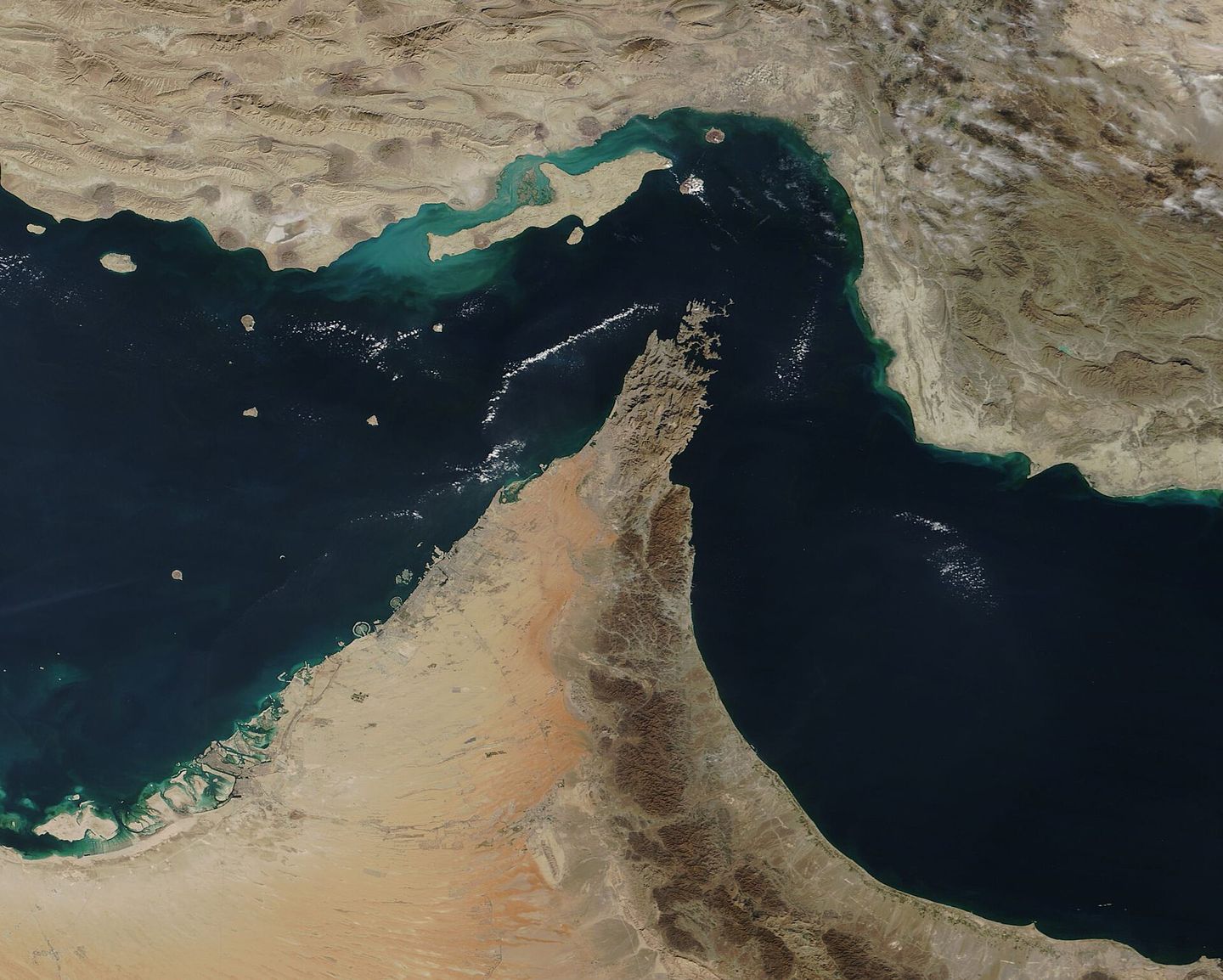
What did land was the announcement. A restricted zone, running from the American blockade line through the strait and into the Gulf, extending — the Guard added this week — into the Gulf of Oman and the Arabian Sea. Ships transiting it without Iranian permission go on a sanctions list and lose their insurance. It is a toll regime with the vocabulary of a legal order, and it costs Tehran nothing to declare. Declaring is the point: what cannot be enforced against a carrier can still be enforced against a Greek owner's underwriter.
When the missiles stop arriving, the press releases start. It is a substitution, and it should be read as one.
The captured drone belongs to the same category. The Guard announced it had seized an advanced American submarine drone in the strait; Central Command said the drone had malfunctioned more than a day earlier while surveying regional waters, that it was an older model, and that it carried nothing classified. A salvage claim was converted into a capture inside a news cycle. Anyone who has watched this file for a decade recognises the technique, and the audience for it is not in Washington.
That audience is in Kuwait City, Manama and Abu Dhabi. The Guard's navy told tanker crews at Kuwaiti and Bahraini piers to abandon their ships, accusing those two states of hosting American forces and assisting in the attacks — an explicit threat to the ports of neighbours who are not belligerents, delivered while Iranian diplomacy tells the same capitals that the trouble is American. The strategy is to make hosting the Americans more expensive than the alternative. It is working better on the region than the missiles are working on the fleet, and that, not the toll booth, is what deserves attention.
Read the week in order and the pattern is not hard to see. On Saturday the Revolutionary Guard fired ballistic missiles at an American aircraft carrier and a guided-missile destroyer in the Gulf. Both evaded. On Tuesday it tried again against a warship, and Central Command reported that the vessel "successfully evaded the attempted Iranian attacks and continued to patrol regional waters. No American personnel were harmed." It then fired ballistic missiles at the American base at Al Azraq in Jordan; Jordanian air defence intercepted eighteen of them and two fell in ground where nobody lives. Video from this side of the border showed the interceptions, and at least one projectile appeared to carry a cluster warhead. Across a week of maximum effort, nothing that was aimed at arrived.
What did land was the announcement. A restricted zone, running from the American blockade line through the strait and into the Persian Gulf, extended this week — the Guard's own statement — into the Gulf of Oman and the Arabian Sea. Ships transiting it without Iranian permission are to be placed on a sanctions list, with consequences for their insurance and their future passage. It is a toll regime dressed in the vocabulary of a legal order, and it costs Tehran nothing whatever to declare. Declaring is the point. What cannot be enforced against a carrier battle group can still be enforced against a Greek owner's underwriter in London, and an underwriter is a softer target than a destroyer by several orders of magnitude.
When the missiles stop arriving, the press releases start. It is a substitution, and it should be read as one.
The captured drone belongs to the same category. The Guard announced it had seized an advanced American submarine drone in the strait and released footage. Central Command said the drone had malfunctioned more than a day earlier while surveying regional waters in support of operations, that it was an older model, and that it carried nothing classified. A salvage claim was converted into a capture inside a single news cycle, and the conversion was the product. Anyone who has followed this file for a decade recognises the technique; the point is not to deceive Washington, which knows what it lost, but to furnish a domestic and regional audience with a photograph.
The fair objection is that dismissing all of this as theatre is how a threat gets underestimated, and that Iranian missiles have in fact killed and wounded people in this war. Both are true and neither is being denied. The Fifth Fleet's base at Manama has been hit; eighteen American service members are dead and hundreds wounded; Iranian drones have reached Emirati and Kuwaiti soil. The claim is narrower and it is about this week specifically: that a force which cannot hit a manoeuvring warship after six months of trying has reached the limit of what its inventory can do to the thing it most wants to hit, and has switched to instruments that do not require accuracy. That is a real assessment, not a comforting one — because the instruments that do not require accuracy are the ones aimed at civilians and at commerce.
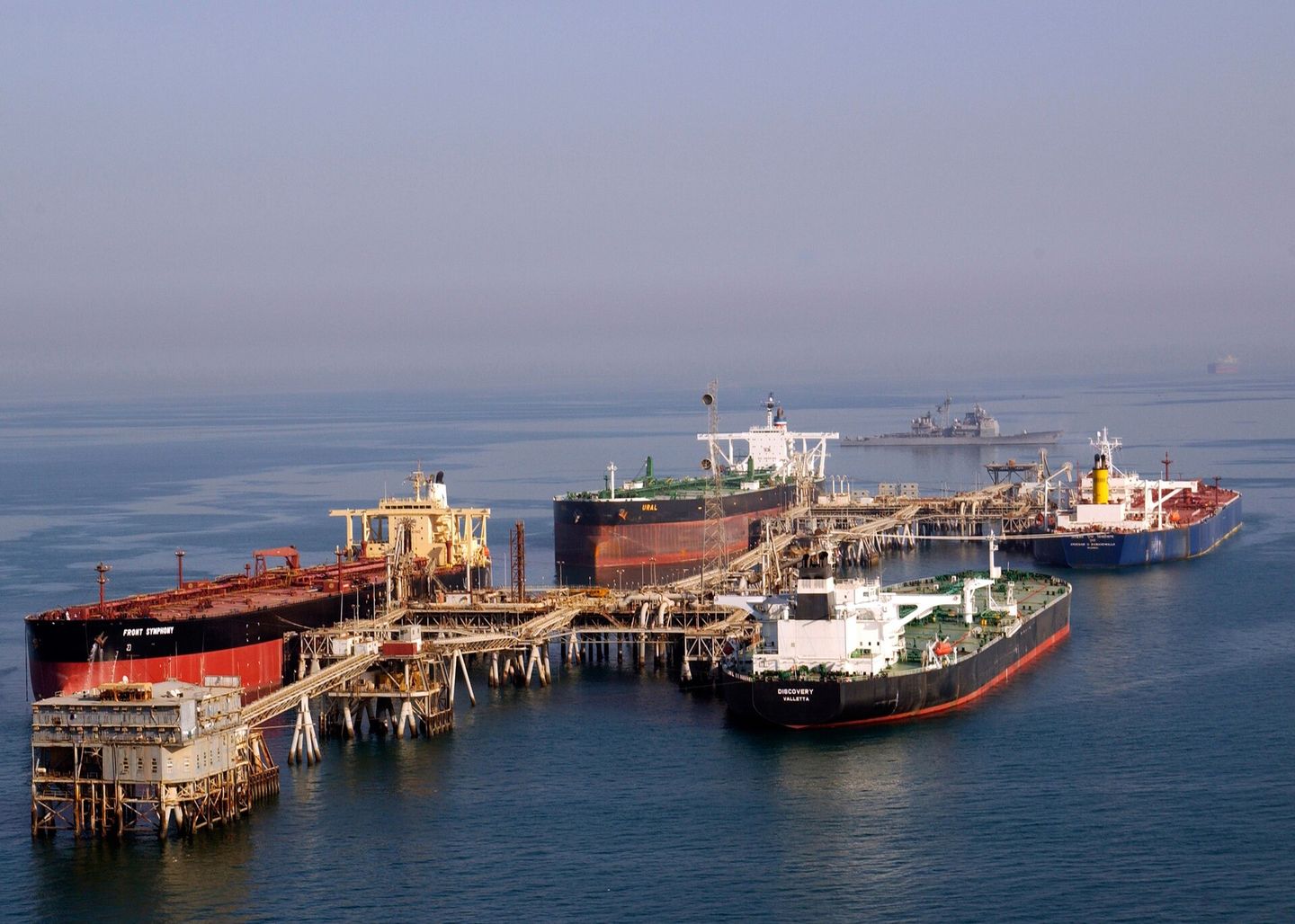
That is where the audience for all of this actually sits: Kuwait City, Manama, Abu Dhabi and Doha. The Guard's navy told the crews of tankers at Kuwaiti and Bahraini piers to leave their vessels immediately, saying the ships could be targeted, and accusing both states of hosting American forces and assisting in the attacks — an explicit threat to the ports of neighbours who are not belligerents in this war, delivered in the same week that Iranian diplomacy assures the same capitals the trouble is entirely American. The strategy is to make hosting the Americans more expensive than the alternative, one port at a time.
It is working better on the region than the missiles are working on the fleet, and that, rather than the toll booth, is what deserves attention here. Every Gulf capital that concludes the American guarantee is a liability rather than an asset does more for Tehran than a hundred ballistic missiles that miss. The answer is not another statement about freedom of navigation. It is making the guarantee visibly worth having — escorts that hold, insurance that stays available, and interceptions like Jordan's, which are the only argument in this week's events that persuaded anybody of anything.
Related
Russia And Ukraine Still Disagree What The War Was About