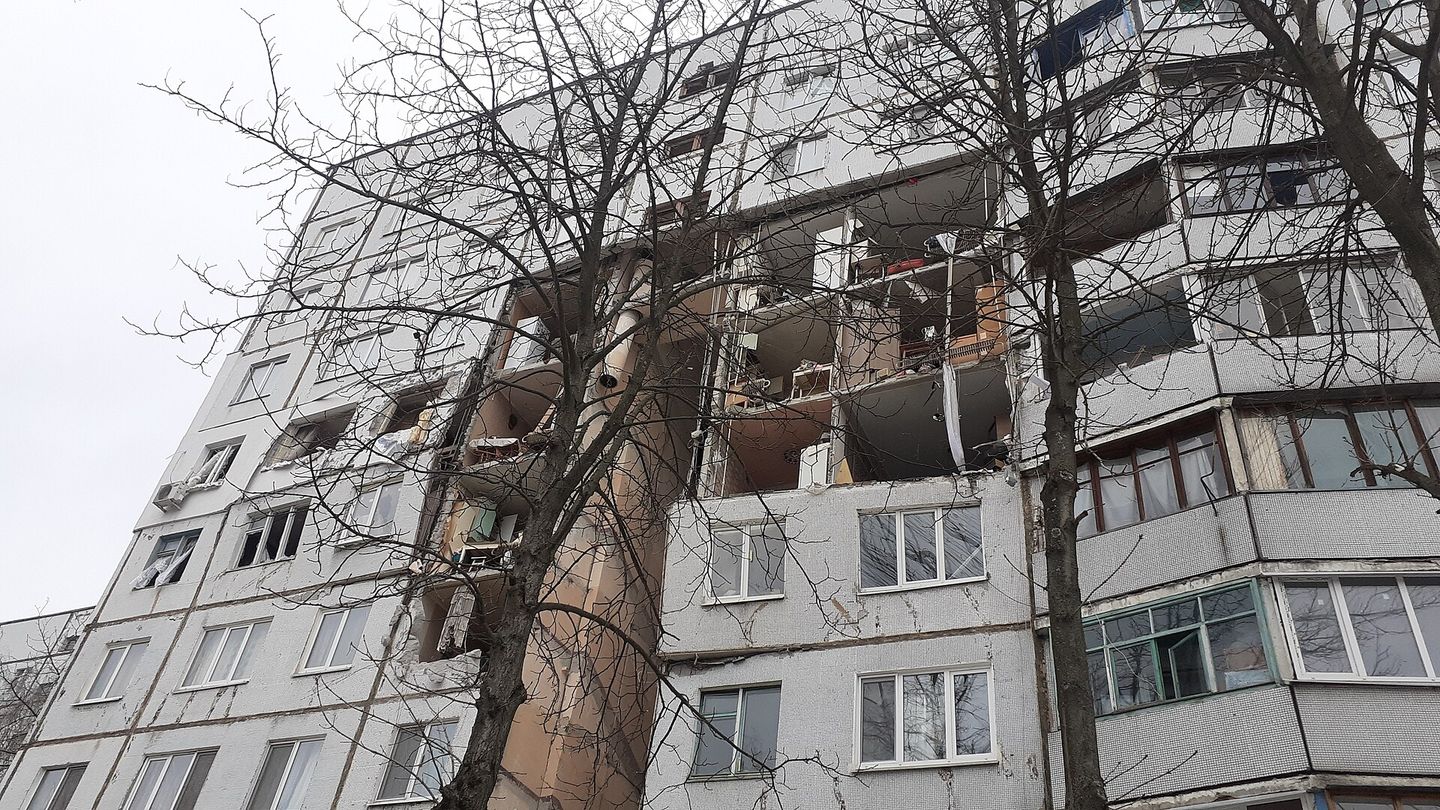
Start with the thing that is not in dispute on any side of this argument: a state invaded its neighbour, and the neighbour is entitled to resist. Everything that follows is about who is being asked to pay for the European response, and that question was never put to anybody. The spending target was agreed between governments at a summit, and it will be collected from people who were not in the room.
The scale is not rhetorical. NATO's members are on a path to five per cent of GDP by 2035, of which 3.5 per cent is hard defence; only five of the thirty-two are projected to reach even that core figure this year, against a European average of 2.53 per cent. The gap between the promise and the present is the size of the cuts that have not yet been announced.
Peter Mertens, general secretary of the Belgian Workers' Party, put the objection in one line as marchers assembled in Brussels under the slogan welfare, not warfare: "The same governments that claim there is no money for our social security can suddenly find billions for weapons."
Nobody is proposing to tax the boom they created. The rearmament is financed forward, out of services, and the shareholders are already paid.
This is where much of the left goes wrong, and it is worth naming plainly. The answer to a militarised budget is not to cut off the people being shot at, and the argument that Ukrainian resistance is the cause of European rearmament gets the sequence backwards: the cause was the invasion. Taras Bilous, a Ukrainian socialist serving in the army, has argued against aid cuts on exactly those grounds — withdrawing support would reward the aggression and hand his country's politics to its own far right. Solidarity abroad and a fight over the budget at home are not alternatives to each other; treating them as if they were is how a movement ends up with neither.
The Ukrainians themselves are not the constituency for a forever war, either. Gallup found last summer that 69 per cent wanted "a negotiated end to the war as soon as possible" against 24 per cent for fighting to victory — the exact reverse of 2022. A December survey by the Kyiv International Institute of Sociology found 72 per cent would accept freezing the current line if security guarantees came with it, and 75 per cent against ceding the rest of Donbas without them.
Read together, those numbers describe a position no European government is currently offering: end the fighting, guarantee the result, and do not make the guarantee conditional on a permanent arms programme running to 2035. It is the settlement most Ukrainians say they want, and it is the one least useful to firms whose order books now depend on the alternative. Nobody should be surprised that the option missing from the debate is the one with no revenue attached.
So the demand is not less support. It is a different distribution of its cost — a levy on the defence windfall rather than another year of frozen wages, procurement audited in public, and conscription of money before conscription of anybody's children. A continent that can find hundreds of billions for missiles in eighteen months cannot plead poverty about hospitals for the rest of the decade.