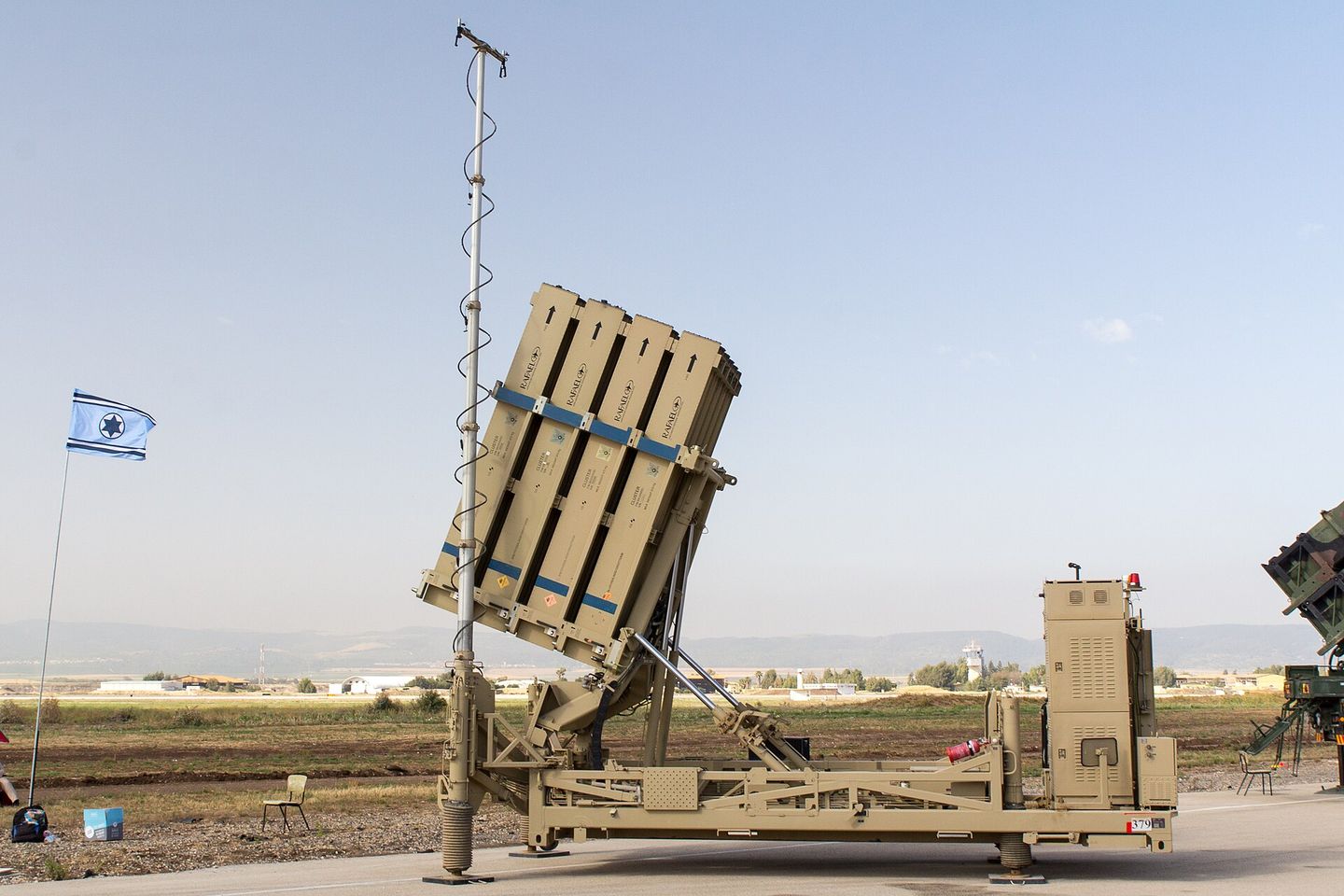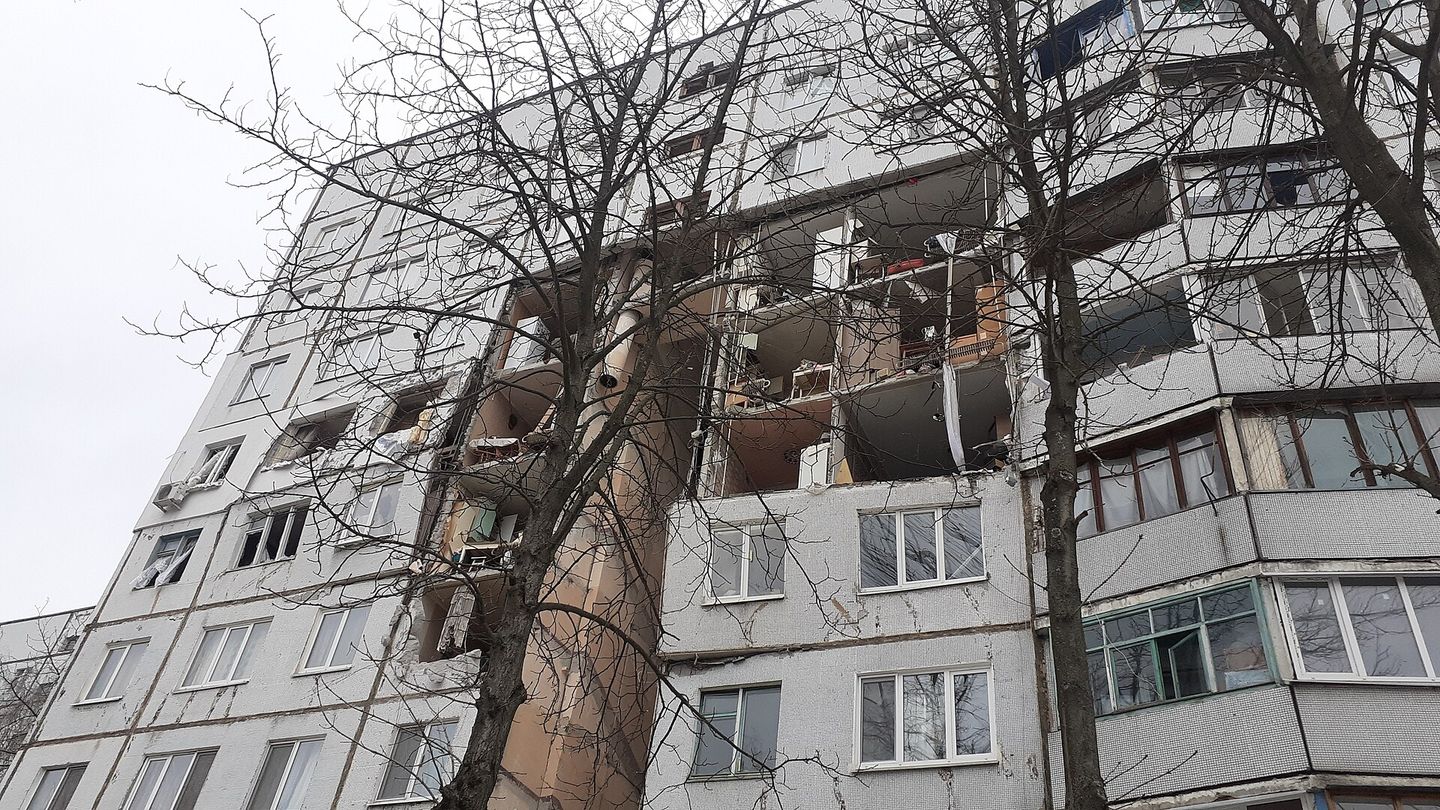
The Israeli price of this war is forty soldiers and a contractor killed, thirty-one civilians killed, and 7,841 injured. That is a small number beside Iran's and an enormous one beside the population it is drawn from, and every argument conducted here is conducted over it. Nobody in this country discusses the Iranian nuclear programme as a file. It is discussed as a range, in minutes of flight time, by people who have spent six months moving children into stairwells.
In March the Israel Democracy Institute found eighty-two per cent of the public supporting the military operations, ninety-three per cent among Jewish Israelis and twenty-six per cent among Arab citizens. That is close to the ceiling any question reaches here. Whatever is said about this war abroad, it did not begin as an elite adventure imposed on a reluctant country. It began with something close to consensus, and consensus of that size is not manufactured in a fortnight.
The question here is no longer whether to have struck. It is whether we were allowed to finish.
By June the same public had reached a different verdict about the result. A Hebrew University survey found 93.1 per cent believing Iran had won the war, 82.9 per cent that it had weakened Israel's long-term security, and eighty-six per cent holding a negative view of the June agreement. Support for the act and despair at the outcome are not a contradiction. They are what it feels like to be handed a ceasefire by somebody else's electoral calendar.
The unfinished part is specific. Natanz was struck again on 21 March; the agency reported no rise in off-site radiation and had already confirmed damage there on 3 March. But no inspector has been inside a damaged hall since, and the last verified accounting of Iranian enriched material — 440.9 kilograms at sixty per cent, 184.1 at twenty — dates from June 2025. A stockpile that has stopped being counted has not stopped existing.
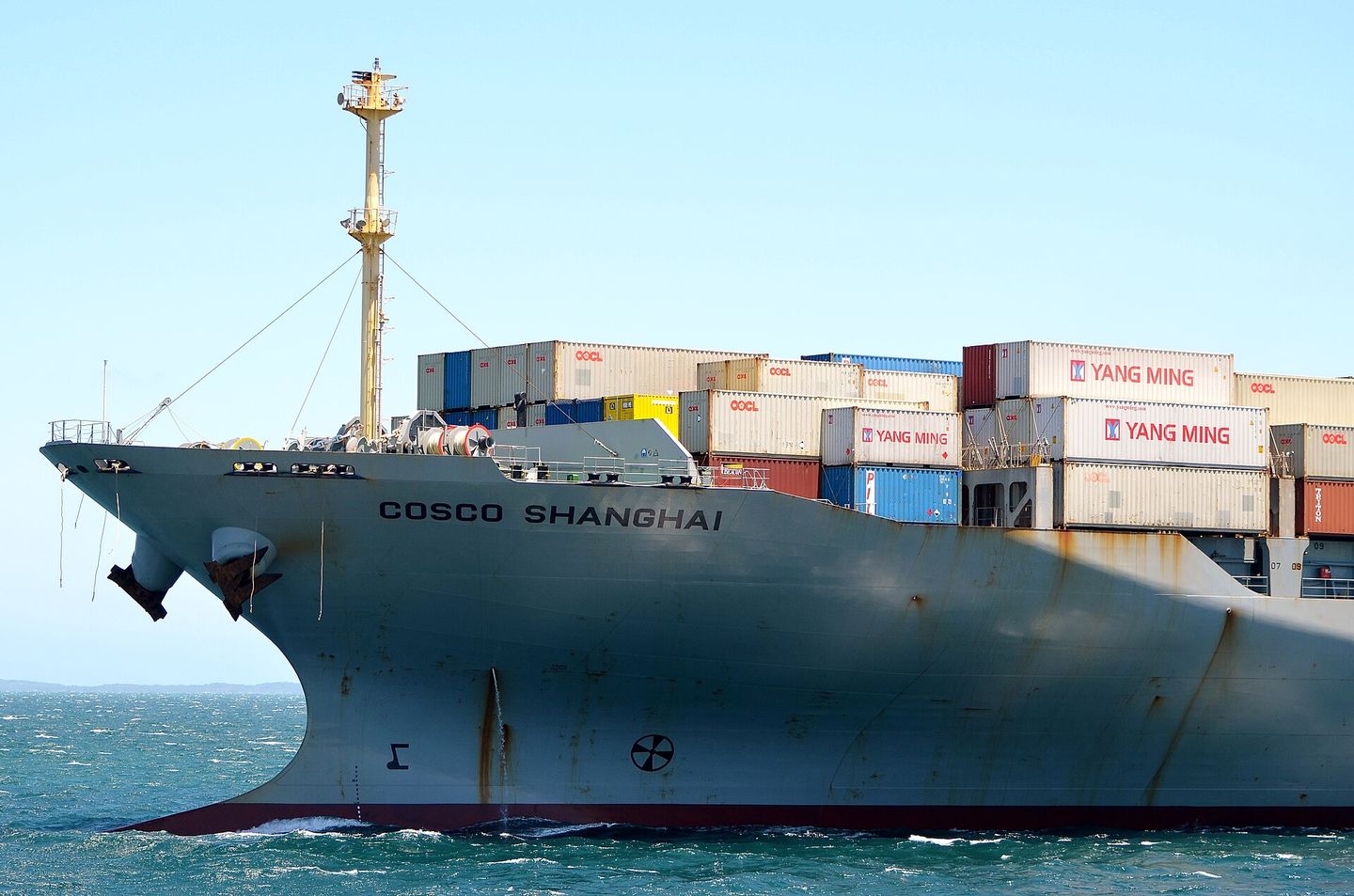
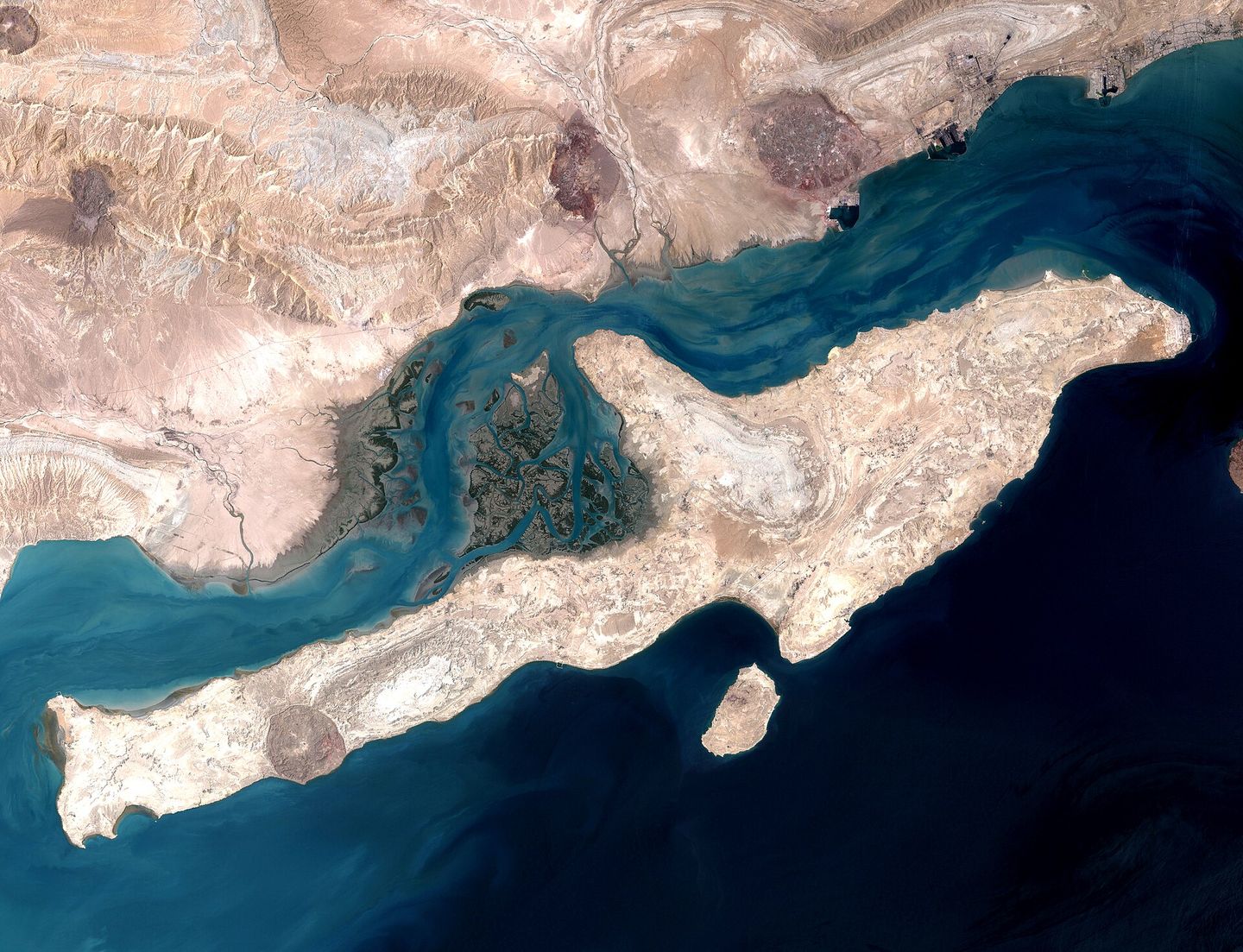
The strait matters here for a reason not shared with Washington. A waterway passable at Tehran's discretion is a supply line this country does not control, cannot insure against and cannot substitute. Whatever corridor is ratified this autumn will be read in Jerusalem as a standing test of how much of the region's traffic Iran is now permitted to hold, and for how long. Insurance markets will reach their verdict on that well before any foreign ministry does.
The election on 27 October will not be fought on this, and that is itself worth noticing. The issues that decide Israeli votes are domestic — the judicial overhaul above all, the state of the security services, the appointments made to them. The war sits underneath that argument rather than inside it, which is how a country that has just fought one signals that it does not consider the thing settled.
What this standpoint asks of a settlement is narrow rather than maximal: inspectors inside the sites that were hit, a verified count of the sixty per cent material, and transit that does not depend on a permission. Those three are asked here more insistently than anywhere else for an unglamorous reason. Everyone else negotiating this can be wrong about Iran's remaining capability and go home. This is the country that lives beside the answer.