The argument for reopening negotiations was never that Iceland was outside Europe. It has been inside the single market since 1994, inside Schengen, inside Erasmus and Horizon and the emissions trading scheme, and has adopted somewhere around nine thousand European legal acts in the course of it. The argument was that it does all of this without a vote in the Council or a seat in the Parliament, and that a country which takes the rules should have a hand in writing them.
It is worth being exact about what that absence means, because the word consultation does a great deal of concealing. Iceland is briefed. It may submit comments. It sits in no working group where a text is actually settled, sends no member to the committee that amends it, and casts no vote at any stage between a proposal and a law it will be obliged to transpose. Thirty years of that has produced a body of Icelandic law substantially written by people no Icelander has ever been able to vote for or against.
That case did not fail on its merits. It failed on its delivery. Turnout was 82.5 per cent, which is not a country that drifted into an answer, and the margin was 52.8 to 47.2, which is not a country that was never listening. What the campaign put in front of those voters was a set of chapters, a timetable and a negotiating position. Eiríkur Bergmann of Bifröst University called it highly technical and, frankly, passionless, and he was describing the winning side of the argument losing the vote.
A country can be given every reason to act and still not be given one to care. The second is the harder job, and it is the one that was skipped.
The polling shows exactly where it went. Yes led by six points in early June and by four in the second week of August. The last Gallup before the vote had No ahead by three. A fortnight is not long enough for anybody to change their mind about sovereignty; it is precisely long enough for one industry with a concrete fear to reach the people who had none, while the other side was still explaining chapter closures.
The cost of the arrangement is not abstract, and it is not evenly shared. Icelandic households borrow at around nine per cent while the European Central Bank's rate sits at 2.25. A teacher in Reykjavík put it to a reporter as plainly as it can be put: they work and work, and some of them will never own a flat. That is a policy outcome, produced by a small currency in a small economy, and it is now fixed until at least 2028.
The division inside the left is the part worth sitting with. The Left-Green Movement has opposed membership for thirty years, and its own chair said she would vote Yes — distinguishing, carefully, between reopening talks and endorsing entry. A party can be that split only when the question is genuinely open. Treating Saturday as a settled national temperament rather than a close vote taken once, under a particular campaign, mistakes a result for a fact about the country.
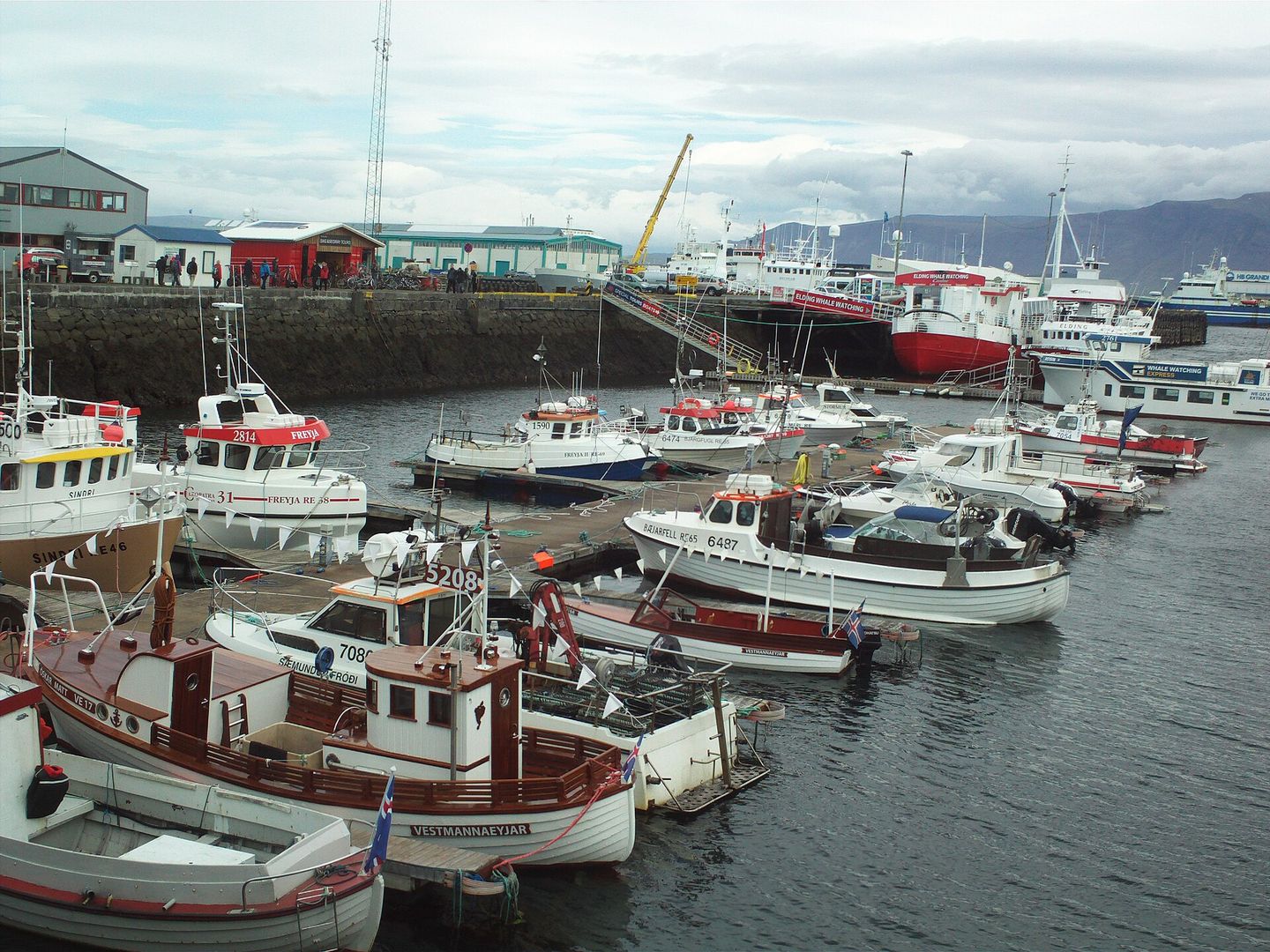
None of which makes the result illegitimate or the fear behind it foolish. The fishing industry's anxieties about the Common Fisheries Policy are real, they were argued in public, and they won. But the country has now voted to keep an arrangement in which it obeys and does not decide, and the case for changing that will have to be made again — to the same people, in language that reaches them, by someone willing to say what it is for rather than how it would work.