Enlargement Commissioner Marta Kos went to Reykjavík with the fastest offer the Union has ever put to a candidate: negotiations concluded in one to two years, membership by 2028. Iceland would have been the first net contributor to the European budget to accede since Austria, Finland and Sweden in 1995, and Brussels wanted it badly enough to say so out loud. The electorate weighed the offer against the status quo and turned it down by five and a half points.
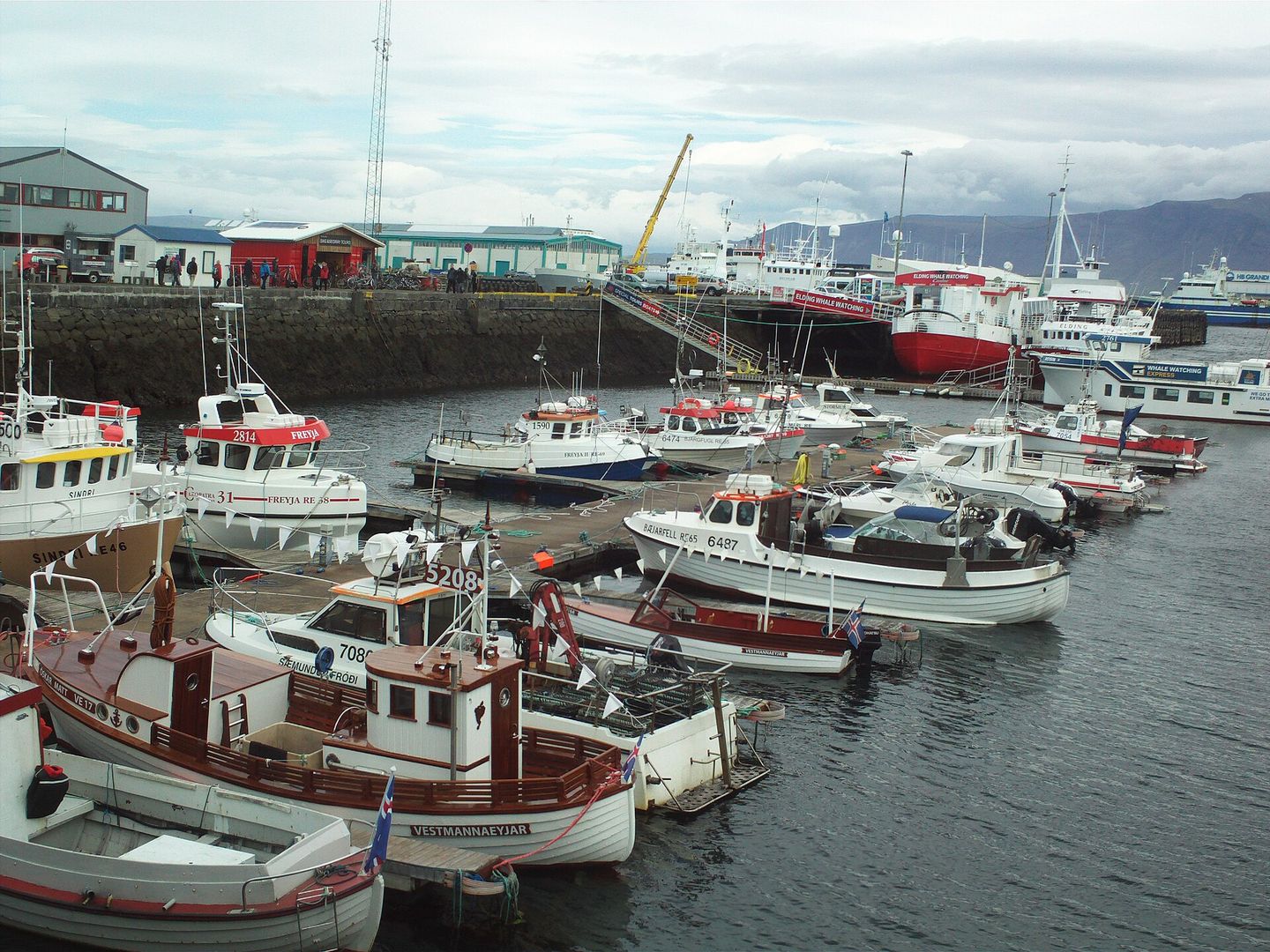
That is not a failure of persuasion so much as a correct reading of a balance sheet. Through the European Economic Area, Iceland already has full access to the single market. What it does not have is the Common Agricultural Policy, the Common Fisheries Policy, or a net contribution to fund either. Marine products are around 40 per cent of goods exports and eight per cent of output directly; the sector was 90 per cent opposed. A country does not put its largest export industry into a common pool to shorten a queue at a negotiating table.
Set out what the existing arrangement actually delivers and the offer looks thinner still. Free movement of goods, services, capital and people. Schengen. Erasmus, Horizon, the emissions trading scheme. Financial-services passporting that a small open economy could not build alone. Against that, membership adds a vote in the Council, a budget line, and two common policies covering the sectors Iceland would least like governed from elsewhere. Reasonable people can price that trade differently. Nobody should pretend it is obviously worth taking.
Access is what a market is for. Membership is what a budget is for. Iceland has the first and has never needed to buy the second.
The 2008 comparison is the one the Yes campaign never found an answer to. Iceland had its own currency, let three oversized banks fail, imposed capital controls, and was a net lender again by 2025. Ireland, inside the euro, socialised its banking losses onto its taxpayers and was told the arithmetic left no choice. Monetary independence is expensive in ordinary years — those nine per cent mortgages are the bill — and it was worth every króna in the one year that counted.
The Independence Party led that argument, which is worth noticing, because it is the party of open trade. Guðrún Hafsteinsdóttir did not campaign against European commerce. She campaigned against the proposition that Icelandic problems have Brussels solutions, and she said as much: these are not problems Brussels will solve for us.
The rural numbers are not a curiosity, they are the market speaking. The Northwest voted 62.9 per cent against, the Northeast 61.2, the South 60.5; only the two Reykjavík seats voted Yes. Those are the constituencies where the quota is landed, processed and shipped, and where the effect of a common fisheries regime would be felt first and hardest. The people closest to the industry priced the risk highest. That is usually a signal worth reading rather than a prejudice to be corrected.
The uncomfortable half of this result is strategic rather than economic. Iceland has no armed forces, sits on the Greenland–Iceland–UK gap, and rests its defence on a 1951 agreement with a Washington that has spent the year threatening to take Greenland. A vote that keeps Reykjavík out of European decision-making narrows its options at the precise moment those options matter. The market argument won on the merits. The security argument was not answered — it was simply not asked.