The Dollar's Reserve Share Falls As Central Banks Buy Gold
The Rival Is Gold, And Gold Cannot Settle A Cargo
What is taking share from the dollar is bullion, which pays no coupon, clears no payment and buys nothing. The pressure on the dollar is domestic, and it is fiscal.
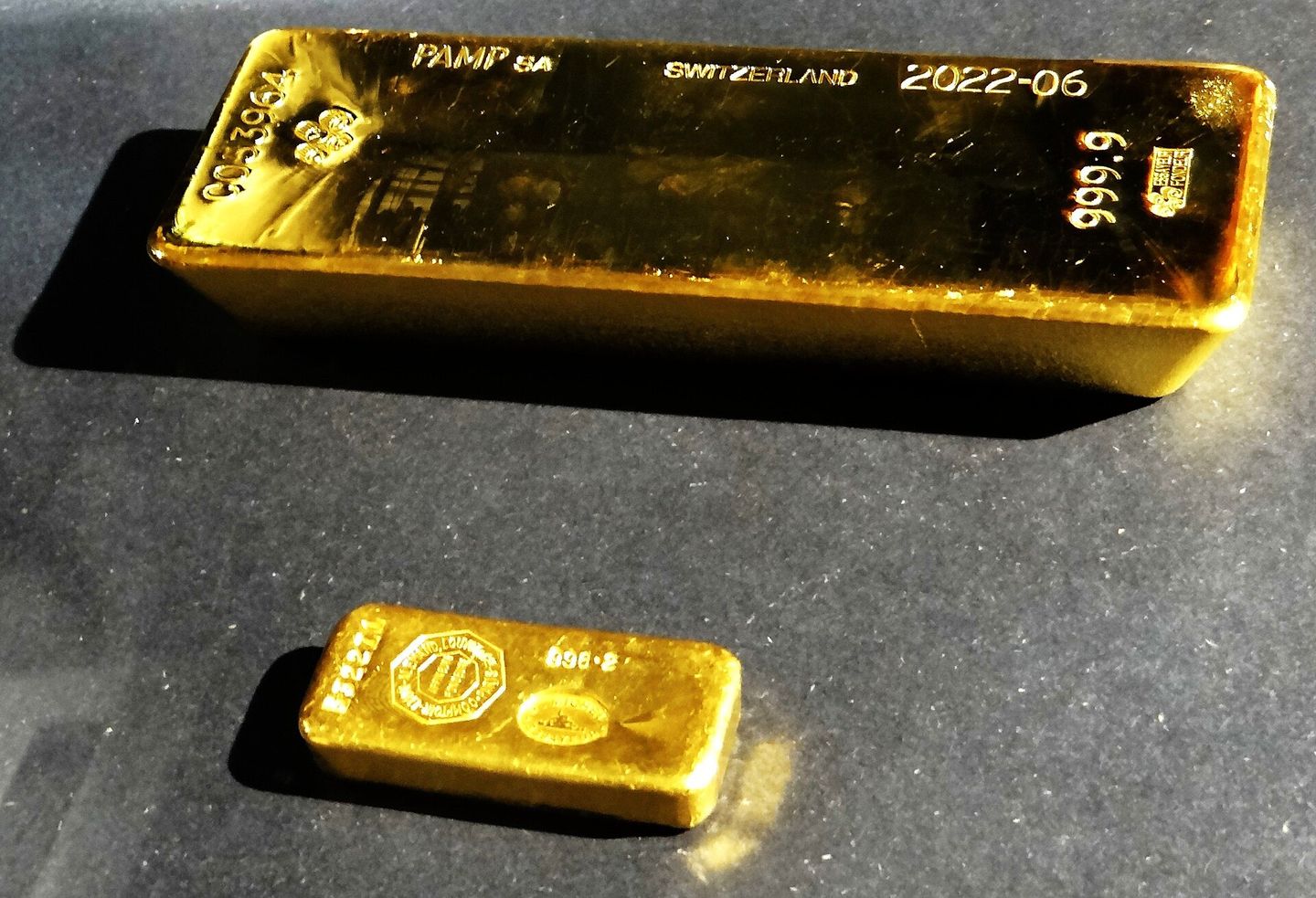
Read the reserve figures as a market and the answer is unambiguous: the competitor is gold. It now stands at 27 per cent of central bank reserves against 22 per cent for US Treasuries and 15 per cent for the euro, the first time metal has led since 1996, and the second quarter of 2026 saw a record 289 tonnes bought — 62 per cent above the same quarter a year earlier. Western financial sanctions on Russia are what accelerated that shift, and the accelerating is the whole of the story.
But notice what gold is not. It pays no coupon. It clears no payment. No exporter has ever been paid in bullion for a cargo of anything, and no central bank has ever supplied its banking system with dollar liquidity in a crisis by shipping ingots. A reserve asset that cannot be spent is a hedge held alongside the dollar, not a replacement bidding for its job.
A vote for gold is not a vote for another currency. It is a vote for no currency at all, which is a very different thing to have won.
The sharper signal is custody. Central banks are reconsidering where the metal sits, moving bullion out of the New York Fed and the Bank of England to hold it at home. That is a narrower and a harder claim than anything about the dollar's role — it says trust the asset, distrust the vault — and it is the one part of this that a Treasury official ought to lose sleep over.
What actually weighs on the dollar is not abroad. Net interest on the federal debt is projected at about a trillion dollars in the 2026 fiscal year, against $885bn for national defence, and it is the fastest-growing line in the budget. That is a domestic question about debt and policy stability, and the answer to it will be domestic too. The market's verdict on the alternatives has not changed: we have gone from there being no alternative to there being reluctant ones, the euro blocked on joint issuance and the renminbi still regional, and it remains very hard to compete with the dollar without a market that looks anything like the Treasury market.
Read the reserve figures as a market rather than as a morality play and the answer is unambiguous: the competitor is gold. It now stands at 27 per cent of central bank reserves against 22 per cent for US Treasuries and 15 per cent for the euro, the first time metal has led since 1996, and the second quarter of 2026 saw a record 289 tonnes bought, 62 per cent above the same quarter a year earlier. Western financial sanctions on Russia are what accelerated the shift, and reserve managers who watched one central bank's assets become unusable overnight drew the conclusion a fiduciary is paid to draw.
Then notice what gold is not, because the omission is the whole argument. It pays no coupon, so holding it costs the yield forgone on the Treasuries it displaced. It clears no payment: no exporter has ever been paid in bullion for a cargo, and no central bank has ever supplied its banking system with dollar liquidity in a crisis by shipping ingots across an ocean. It cannot be repo'd at scale in a stress. A reserve asset that cannot be spent is a hedge held beside the dollar, not a candidate for its job.
This matters because the two questions are constantly merged. "Are central banks holding fewer dollars?" and "is the dollar losing its role?" are different questions with different answers. The role is a bundle of functions — invoicing, settlement, funding, the asset a central bank reaches for when its banks cannot fund themselves — and gold performs exactly none of them. A world in which reserve managers hold more metal and still invoice, settle and fund in dollars is a world in which the dollar's role is intact and its share is lower.
A vote for gold is not a vote for another currency. It is a vote for no currency at all, which is a very different thing to have won.
The sharper signal is custody, and it is the part worth losing sleep over. Central banks are reconsidering where the metal sits, moving bullion out of the New York Fed and the Bank of England to hold it at home. That is a narrower and a harder claim than anything about the currency: it says trust the asset, distrust the vault. Custody is a service the United States and Britain have sold for a century on the strength of never once having seized what was left with them, and a reputation of that kind is priced at zero until the day it is priced at everything.
The composition of the bid is worth reading too, because it does not match the narrative. The buyers are not only the states with something to fear — Poland, Uzbekistan, Kazakhstan and China all bought in 2026, a list with no single political thread running through it — and the sellers include names the sanctions story does not predict. That is what a portfolio reallocation looks like: broad, unglamorous, and indifferent to the argument being conducted above it.
Which leaves the actual problem, and it is not abroad. Net interest on the federal debt is projected at about a trillion dollars in the 2026 fiscal year, against $885bn for national defence, and it is the fastest-growing line in the budget. A currency's reserve status rests on the depth of the market in its government's debt and on the belief that the government will not inflate or default its way out. Both of those are domestic questions, and both are being answered domestically, badly. The market's verdict on the alternatives has not moved: we have gone from there being no alternative to there being reluctant ones, the euro still blocked on joint issuance and the renminbi still regional. It remains very hard to compete with the dollar without a market that looks anything like the Treasury market — and the fastest way to produce one would be to damage ours.