The Bureau of Economic Analysis confirmed on 26 August that the American economy grew at an annual rate of 1.5 percent in the second quarter, down from 2.1 percent in the first. Over the same three months the price index for personal consumption expenditures rose at an annual rate of 5.3 percent, and profits from current production rose by $400.9 billion against $74.4 billion in the previous quarter. Those figures describe a single event, and the larger part of that event was not decided in Washington.
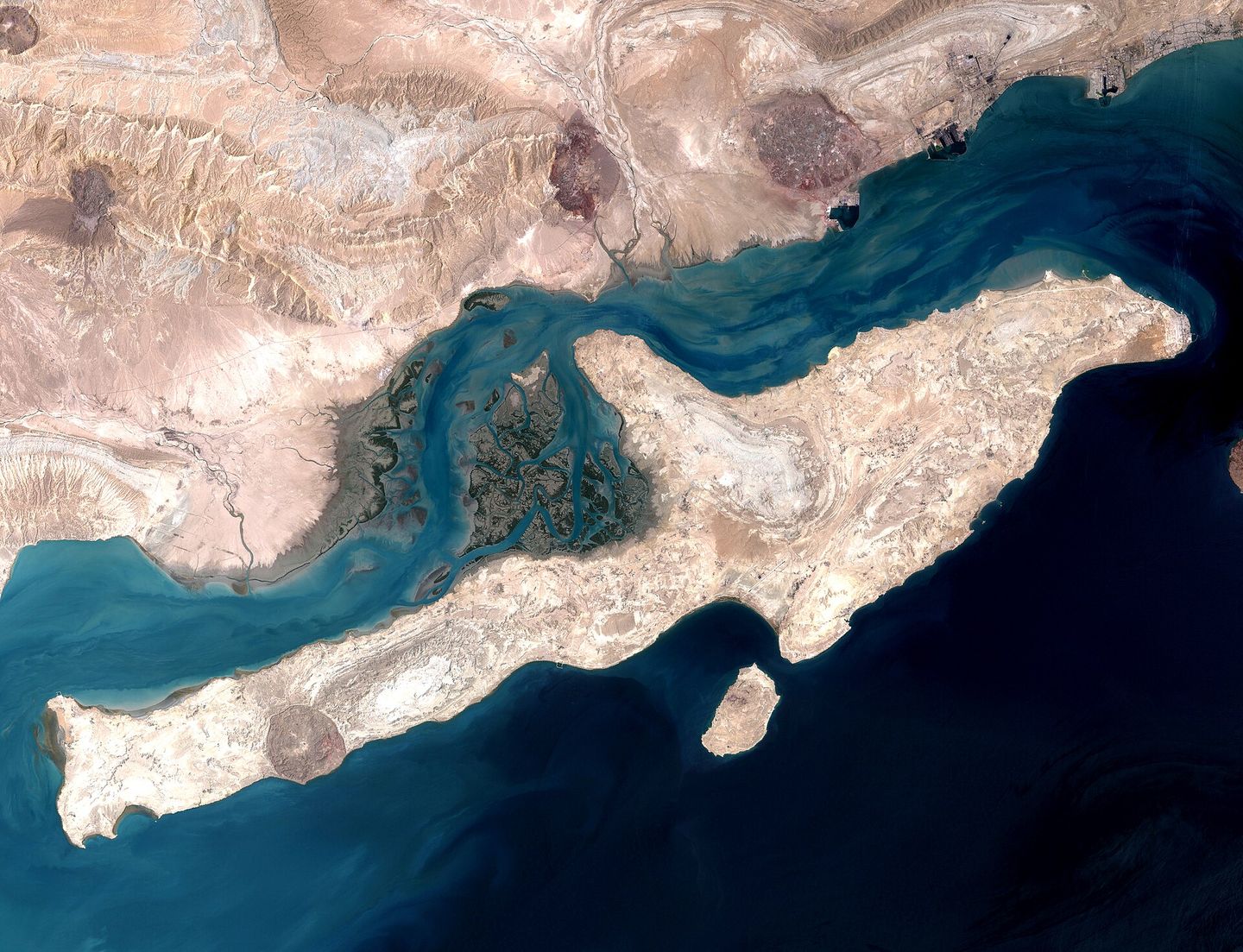
It was decided at the Strait of Hormuz. The Energy Information Administration's August outlook expects Brent crude to average $85 a barrel this quarter, and attributes that to “continued severe constraints on Strait of Hormuz transits”; it now assumes roughly 0.6 million barrels a day remain displaced through the end of 2027. A blockaded waterway raises prices and lowers output in the same motion. There is no demand-management instrument that answers it, and governments that pretend otherwise lose arguments they could have won.
The strait was on nobody's ballot. The tariff schedule was.
What was put on the ballot is the layer above the shock. David Dayen reported in The American Prospect on 25 August that diesel had passed $5.60 a gallon and that refiners' crack spreads had reached record highs, with a tariff schedule stacked onto the same freight that moves the harvest — farmers, hauliers and retailers paying the fuel bill twice, at the pump and again at the customs line. The administration's answer to beef prices was to exempt 300,000 tonnes of imports, about one percent of what the country eats, and sell it at a quarter below market. Retail sales fell in July regardless.
The comparison that settles it is European. Eurostat put euro-area annual inflation at 2.9 percent in July, with Germany at 2.8 percent and France at 2.4 percent — services contributing 1.55 percentage points and energy 0.94. Same strait, same tankers, same insurance market, and roughly two-thirds of the American rate. Europe is not better governed than the United States this year. It simply declined to tax the shock a second time on the way in.
The honest concession is that none of this is costless to fix and some of it cannot be fixed at all. No spending package makes crude cheaper. Nothing a legislature passes reopens a shipping lane. Households are being asked to absorb a real loss of national income, and the argument that the loss can be legislated away is the same wishful thinking, wearing a different rosette, as the argument that tariffs are paid by foreigners.
But a real loss is not an unlimited licence. When a country is already paying a war premium at the pump, adding a customs charge to the vehicle, the beef and the aluminium is not toughness — it is charging the same household twice for one geopolitical decision and calling the second charge policy. The 5.3 percent quarter is what that looks like in an official release.
So the programme is narrow, and it is not a referendum on whether growth is worth having. Take the tariffs off the goods the shock has already repriced. Aim relief at fuel and freight, where the burden lands hardest and fastest. Hold public investment steady instead of trimming it in the quarter output halved. An economy that expands through a war and a blockade is not a failed model. It is a working one, carrying weight it was never obliged to lift.