The debt crossed $40 trillion on 19 August, having doubled in less than a decade. That is the number of the year, and it went past with less comment than a jobs revision. Everything else being celebrated this summer — the expansion, the profits, the resilient consumer — sits on top of it, and the question worth asking is not whether the economy grew but what the growth was made of.
John Rapley set out the mechanics in UnHerd on 20 August: more than half of the corporate profits racked up since 2020 were funded by the country's large and rising fiscal deficits. Government spends, firms book the revenue, and the profit shows up in the national accounts as private strength. Meanwhile the share of Treasuries held by hedge funds has nearly doubled in a few years, and real interest rates have risen — a market pricing solvency, not inflation.
A country that has to ask a foreign strait what its fuel will cost this week is not running an economy. It is servicing an exposure.
The fiscal arithmetic leaves nowhere to hide, and Veronique de Rugy laid it out in Reason on 27 August. Since 2000, tax cuts have reduced revenue by roughly 2 percent of GDP while spending has risen by 5.7 percent — nearly three times as much. Revenue today sits near its long-run average as a share of output. The Congressional Budget Office has federal spending going from 23.3 percent of GDP this year to 24.4 percent by 2036. No plausible growth rate outruns that.
Then there is the price level, which the central bank has now missed for 65 consecutive months. At Jackson Hole in August, in his first appearance as chairman, Kevin Warsh conceded that the institution owns the failure while insisting the underlying economy is sound. “For my part, today I am impressed by the overall performance of the economy,” he said. He also set the test that matters: “We must be confident that underlying inflation is moving to our objective, clearly and at sufficient speed.”
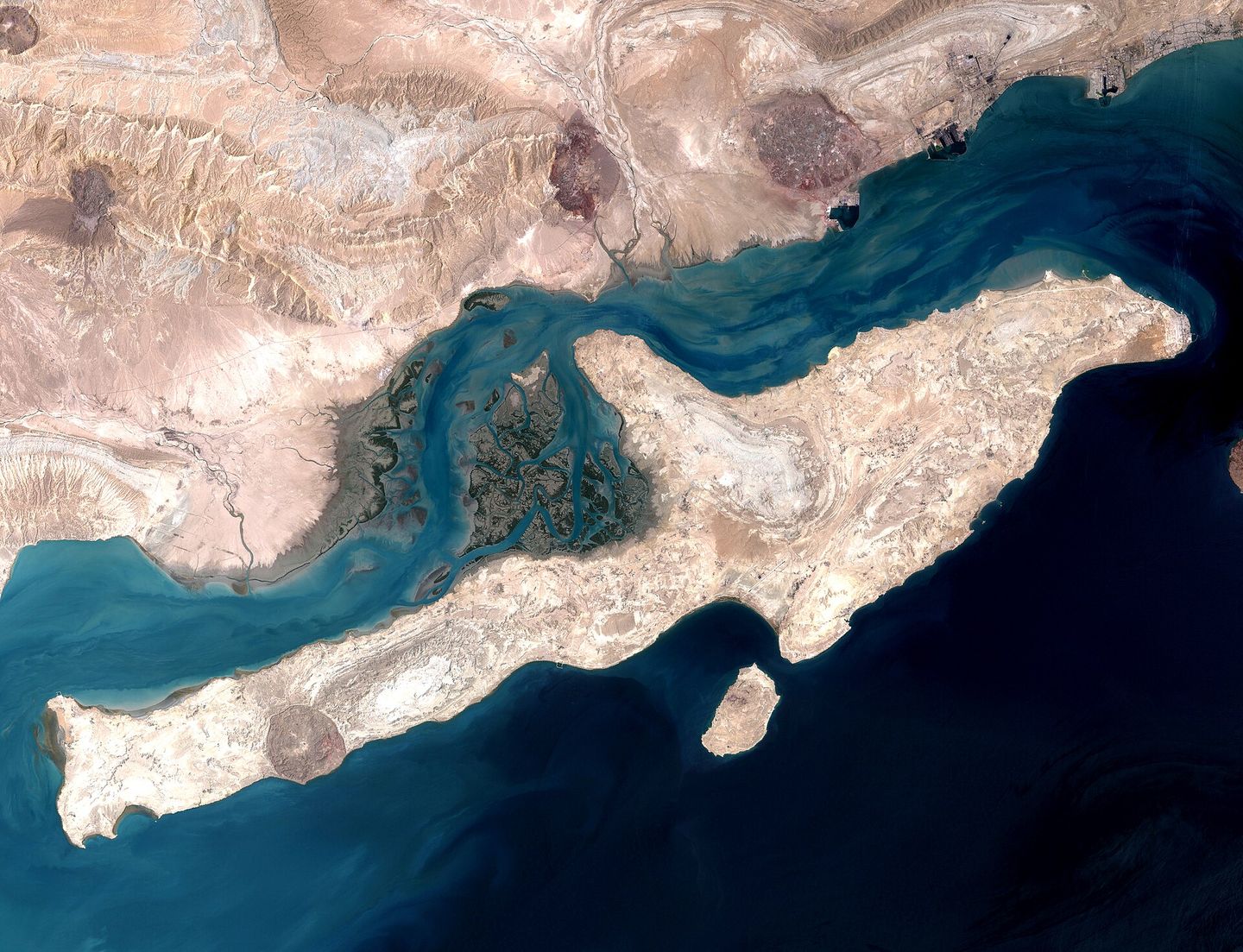
The energy side is the sovereignty question, and it is not rhetorical. The Energy Information Administration's August outlook expects Brent to average $85 a barrel this quarter because of continued severe constraints on Strait of Hormuz transits, and it now assumes about 0.6 million barrels a day stay off the water through the end of 2027. A nation whose fuel bill, freight costs and inflation rate are set by a channel eight thousand miles away has outsourced something it should never have lent out.
The concession is that none of this makes the growth fake, and the people who say it is fake are wrong. The output is real, the employment is real, the profits clear and are taxed. It is also true that the war's advocates had a case about Iranian capacity that critics never quite answered. And the debt is nobody's monopoly: it was run up by both parties, one denying the spending and the other denying the arithmetic, which is why neither will be the one to stop it.
What the quarter actually recommends is unfashionable in both parties: stop financing consumption by borrowing against people who cannot vote yet, produce fuel and steel and food where they are consumed, and end the commitments abroad that keep converting into costs at home. A country can run a deficit or an empire. Running both, while asking a strait what its groceries cost, is not a strategy — it is a bill arriving in instalments.