The Shanghai Cooperation Organisation meets in Bishkek tomorrow, twenty-one heads of state expected, and the West will read the communiqué as theatre. It is not the point. The point is what Beijing did with six months in which nobody in Washington had the bandwidth to look east, and the answer is on the record, in budget lines, licence rules and ship movements, none of which required a single Chinese casualty.
The budget first. China's central defence spending for 2026 was set at 1.91 trillion yuan, about 277 billion dollars, a seven per cent rise after three consecutive years of 7.2. That was announced by a military establishment being taken apart from the inside: CSIS counts 101 senior officers purged since 2022, and the Central Military Commission that seated eleven in 2012 now seats two. General Zhang Shengmin, its vice-chairman, told the forces to “thoroughly implement the system of ultimate responsibility resting with the CMC chairman”.
Read that pairing carefully, because the comfortable conclusion from it is the wrong one. An army being purged is not an army standing down; it is an army being made obedient to one man, and obedience is what an order to sail requires.
A weakened revisionist is not a calmer one. It is one with a shorter list of good years left.
The coercion continued throughout. On 1 August the China Coast Guard ran a law-enforcement drill at Scarborough Shoal that practised boarding and seizure, with the Southern Theatre Command exercising air and naval strike alongside it. On 6 August, a year late, Beijing finally acknowledged the collision between its own cutter and a navy warship there. In July a Chinese coastguard boat closed on the resupply run to the grounded Sierra Madre at Second Thomas Shoal, and a Filipino sailor came away with head injuries the Philippine military says were inflicted with a wooden baton.
Then the chokepoint. China accounts for roughly seventy per cent of rare-earth mining, ninety per cent of separation and processing and ninety-three per cent of magnet manufacture, and the licensing regime it opened last December reaches any magnet containing as little as 0.1 per cent of Chinese heavy rare earths. Firms affiliated to foreign militaries, the American ones included, are told in advance they will largely be refused. There is no substitute on the shelf: a 400 million dollar equity stake in MP Materials and a ten-year floor of 110 dollars a kilogram for its output are a sensible start on a problem measured in decades.
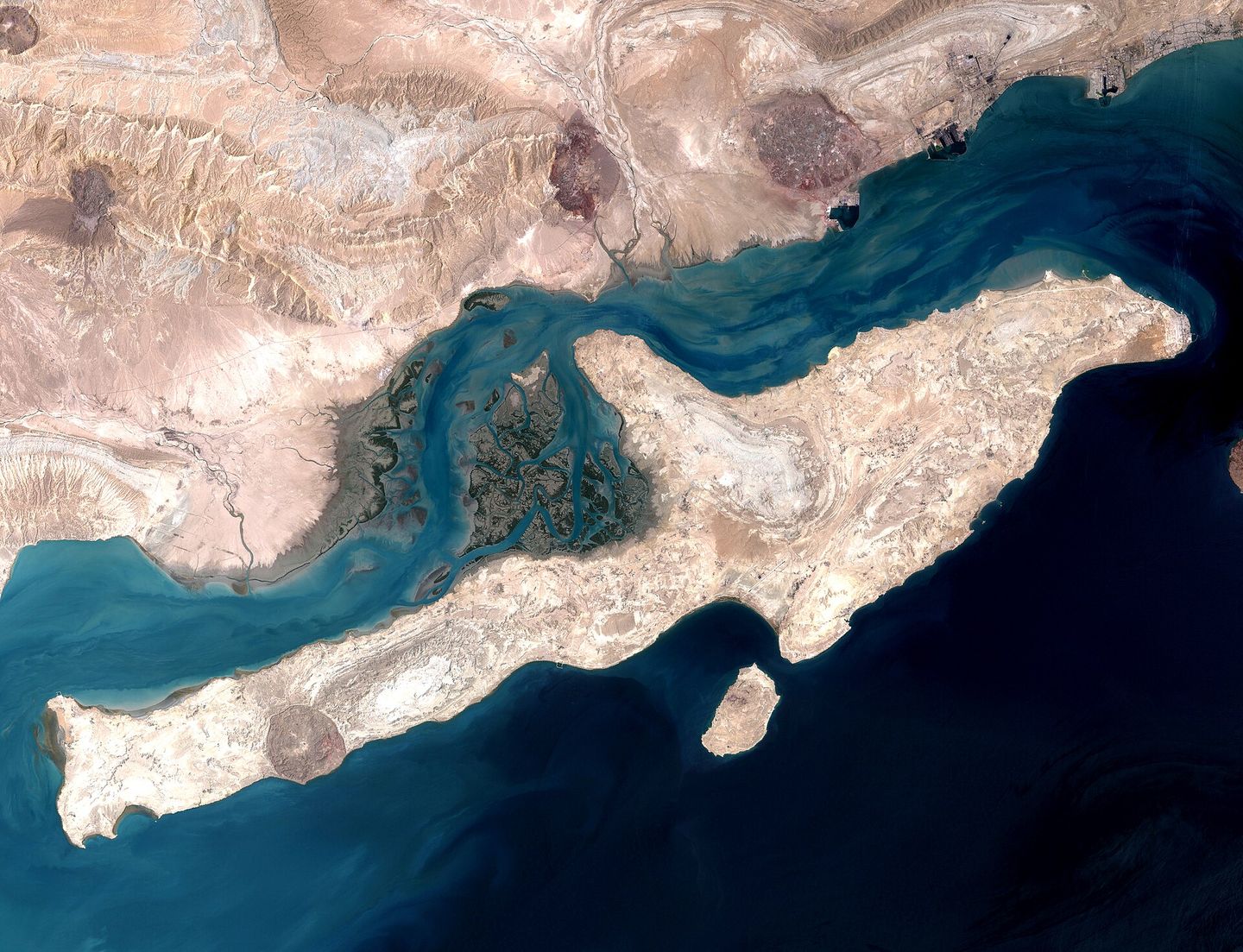
The counter-argument is that Beijing is the vulnerable party, and half of it is true. Half its imported crude, some 5.4 million barrels a day, came through the strait that is now shut; growth fell to 4.3 per cent in the second quarter; a third of its manufacturers were losing money in February. But leverage only counts if somebody is willing to use it, and for six months the only serious buyer of Iranian oil has been treated as a mediator rather than a party.
So: hold the export controls rather than trading them away for soybean orders, stock the magnets and the interceptors before they are needed, fund the first island chain on a schedule that assumes 2027 rather than hopes against it, and keep any tariff truce short enough that it expires while Washington still has something to withhold. The Gulf is a crisis. The Pacific is the account.