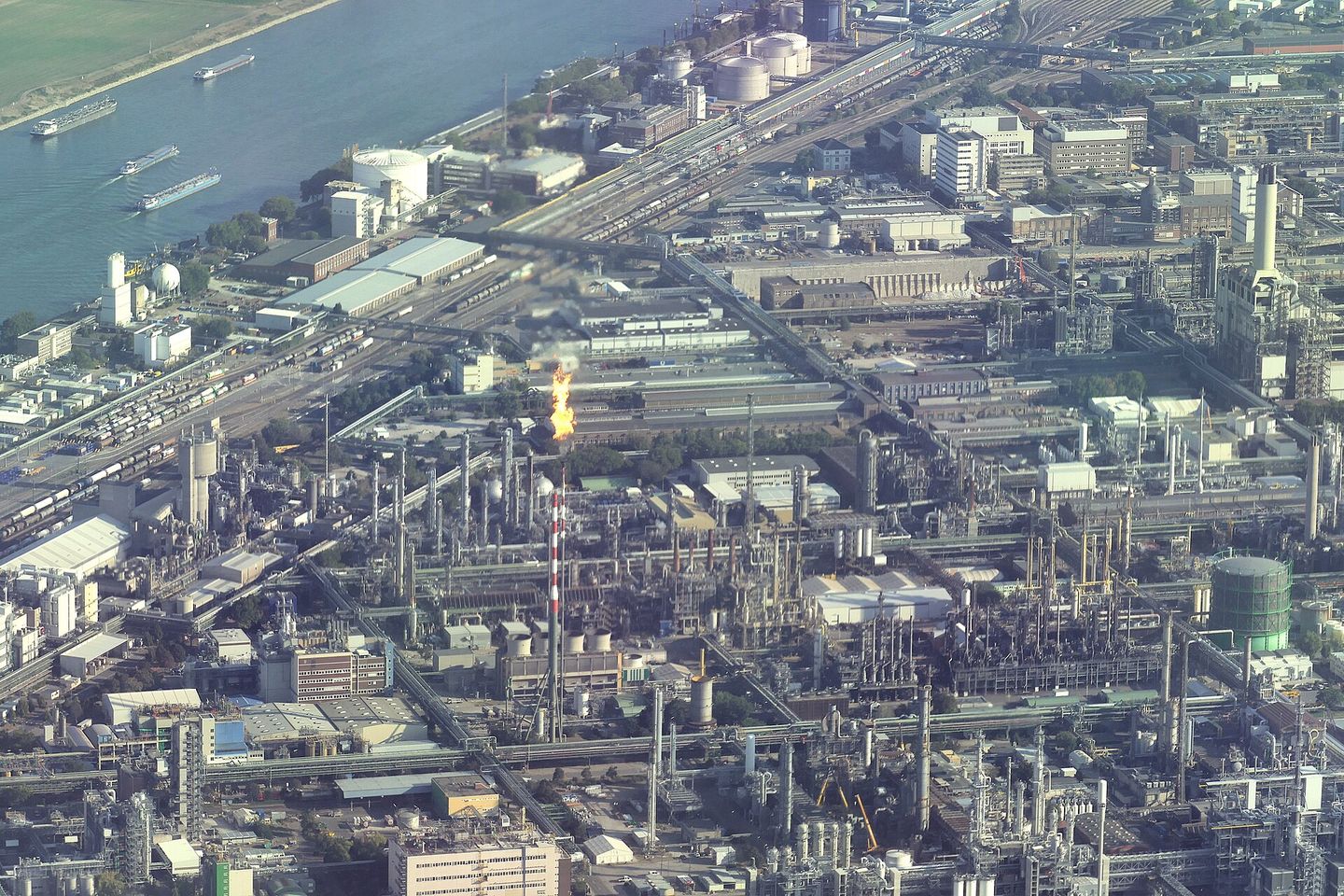
Industrial electricity consumption in Germany has fallen back to its 2009 trough. The difference is that 2009 was a demand shock that reversed within eighteen months. This one has been grinding lower for four years.
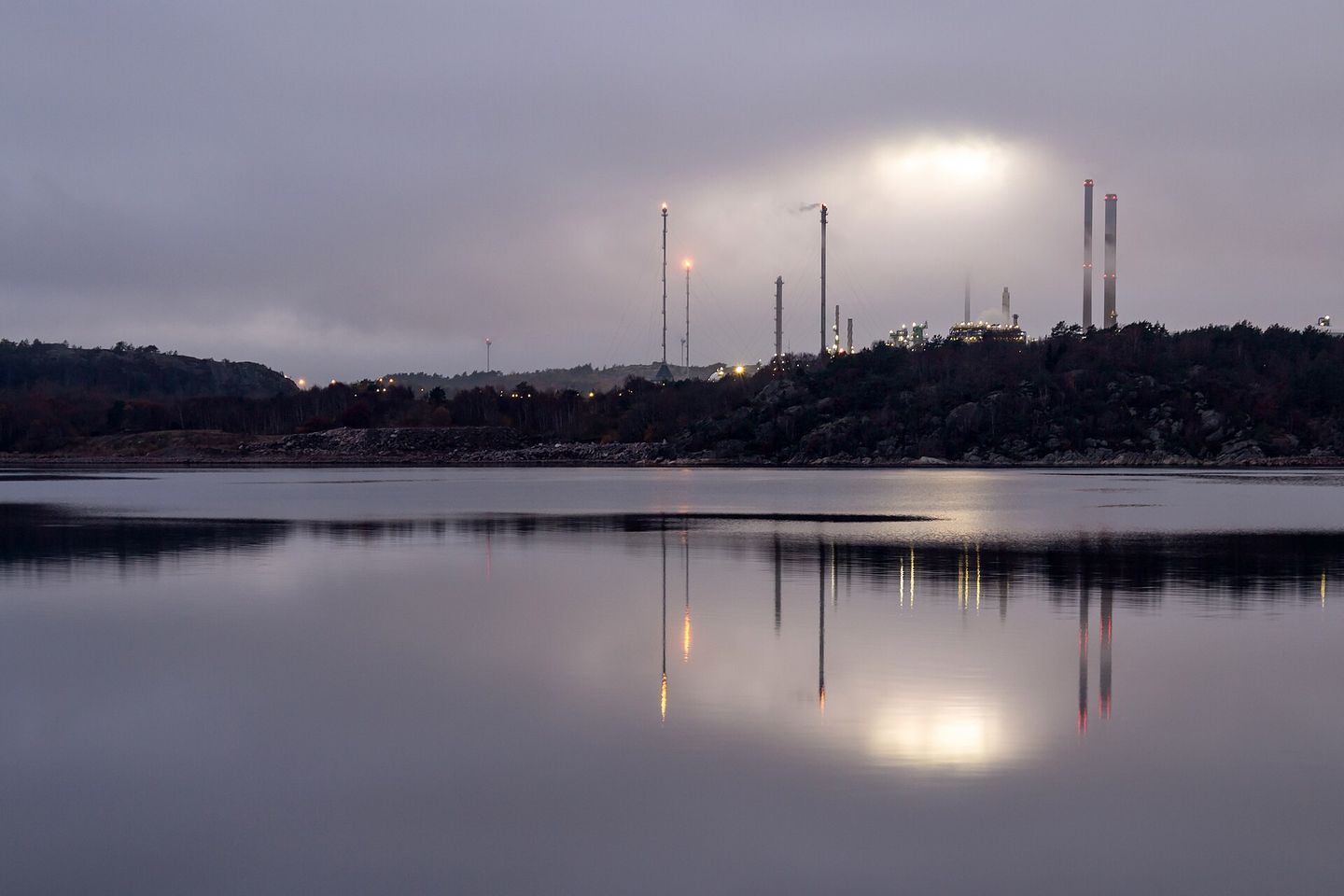
Chemicals account for the largest single share of the decline. Basic chemistry, meaning chlorine, ammonia and cracking, is the most power-intensive segment of the sector and the most portable. Once a cracker is idled through a full maintenance cycle, restarting it is a capital decision rather than an operational one.
The plants are not being mothballed loudly. They are being run at reduced rates, then at seasonal rates, then not at all, with the announcement arriving eighteen months after the decision.
A factory does not close on the day it is closed. It closes on the day the next capex cycle is approved somewhere else.
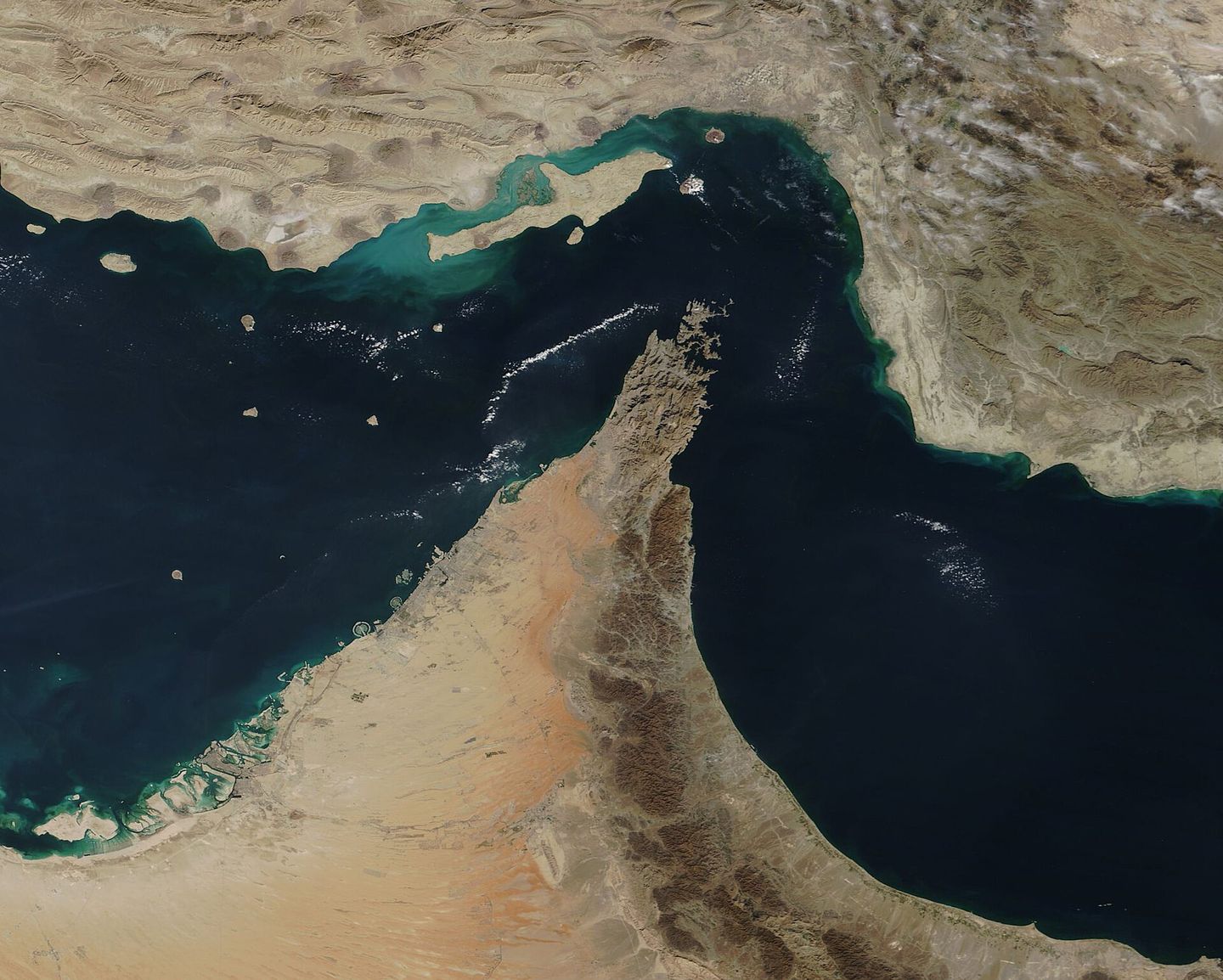
Replacement capacity is being built, but in the Gulf and on the US Gulf Coast, where feedstock and power are cheap and permitting is measured in quarters rather than in electoral terms.
Employment data lags all of this by years, which is why the political system has not yet metabolised it.