Fifty-two point eight against, forty-seven point two for, on a turnout of 82.5 per cent. Only the two Reykjavík constituencies voted to reopen talks; the Northwest went 62.9 per cent the other way. All week those figures have been read as a country's settled temperament. They are nothing of the kind. A margin of 5.7 points, on a single advisory question, put once, describes a campaign — and a campaign is made of the things that were said and the things that were not.
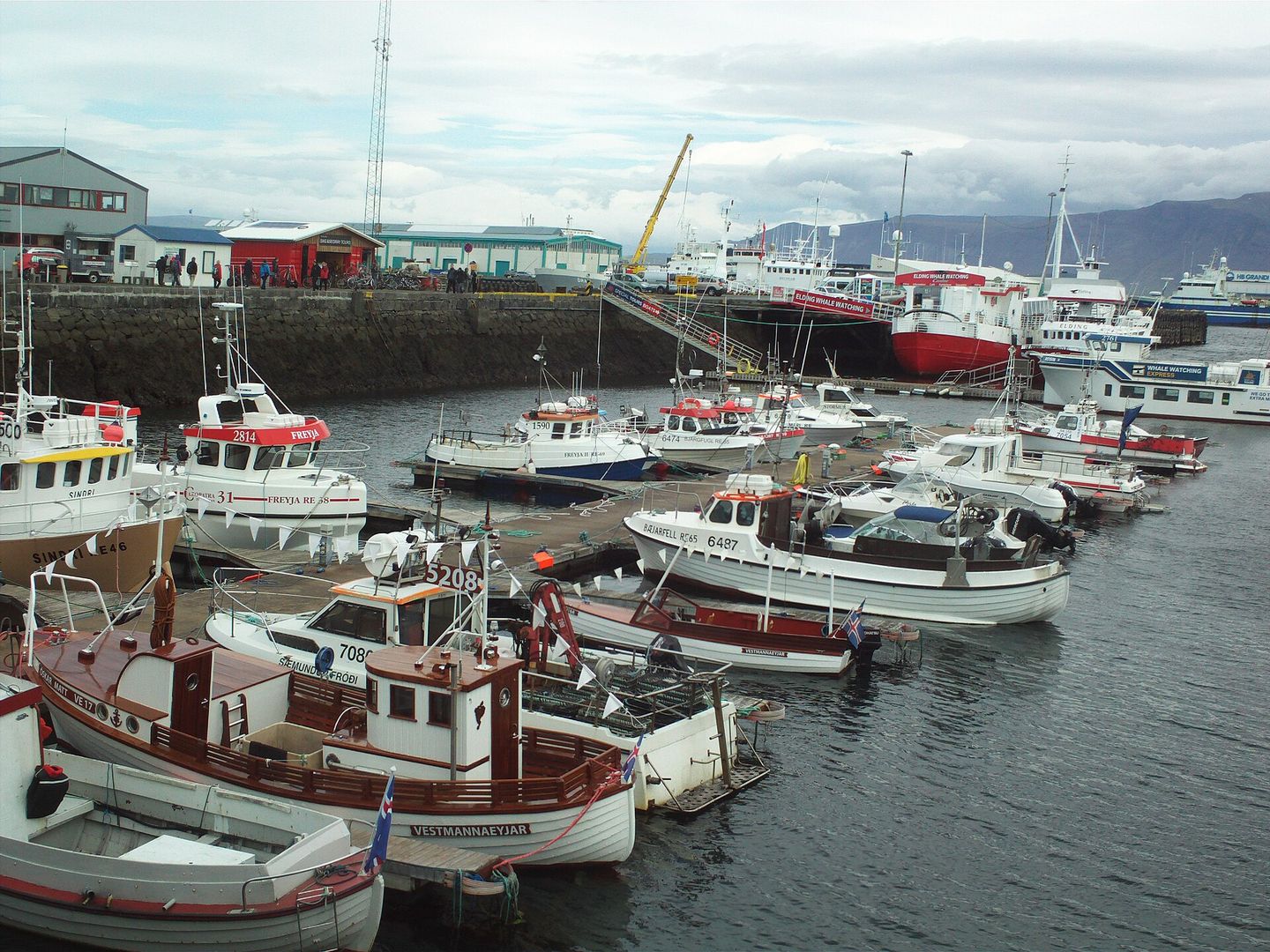
What was not said is the whole of it. Fishing is around forty per cent of Iceland's goods exports, and the fear on the quaysides was the Common Fisheries Policy: quotas and access settled in Brussels rather than in Reykjavík. That fear had an answer available from the first day of the campaign to the last. Nobody in the Commission and nobody in the Council ever stood up and guaranteed that Icelandic boats would keep the sole right to fish inside the country's existing 200-mile zone.
The offer that would have won the vote was never made, and it was never made because nobody in Brussels believed it had to be.
Andrew Adonis, writing three days after the count, put it without softening. “It looks to me as if a key part of the reason why it went the wrong way for Europe is that there was a failure by the EU to make the best case for itself.” He has watched this before, from closer. In 2016 the missing offer was an emergency brake on immigration: “The stark staring issue of the Brexit referendum was EU immigration and the threat of still more in the event of Turkish membership.” The pattern is not that Europe loses arguments. It is that Europe does not turn up to have them until the count is in.
The Commission's own enlargement commissioner, Martha Kos, has spoken since of the “creative solutions” an Icelandic accession would have required. The tense is the problem. Creativity offered in advance is a negotiating position; creativity described afterwards is an obituary. What remains is real and worth keeping — the EEA holds, Schengen holds, Iceland is still a security partner in a High North that matters more each year, and the European Policy Centre is right that the sensible course now is faster co-operation inside and beyond those frameworks. None of that needed a referendum lost to arrive at.